Tell us about the job
Takes about a minute. No obligation.
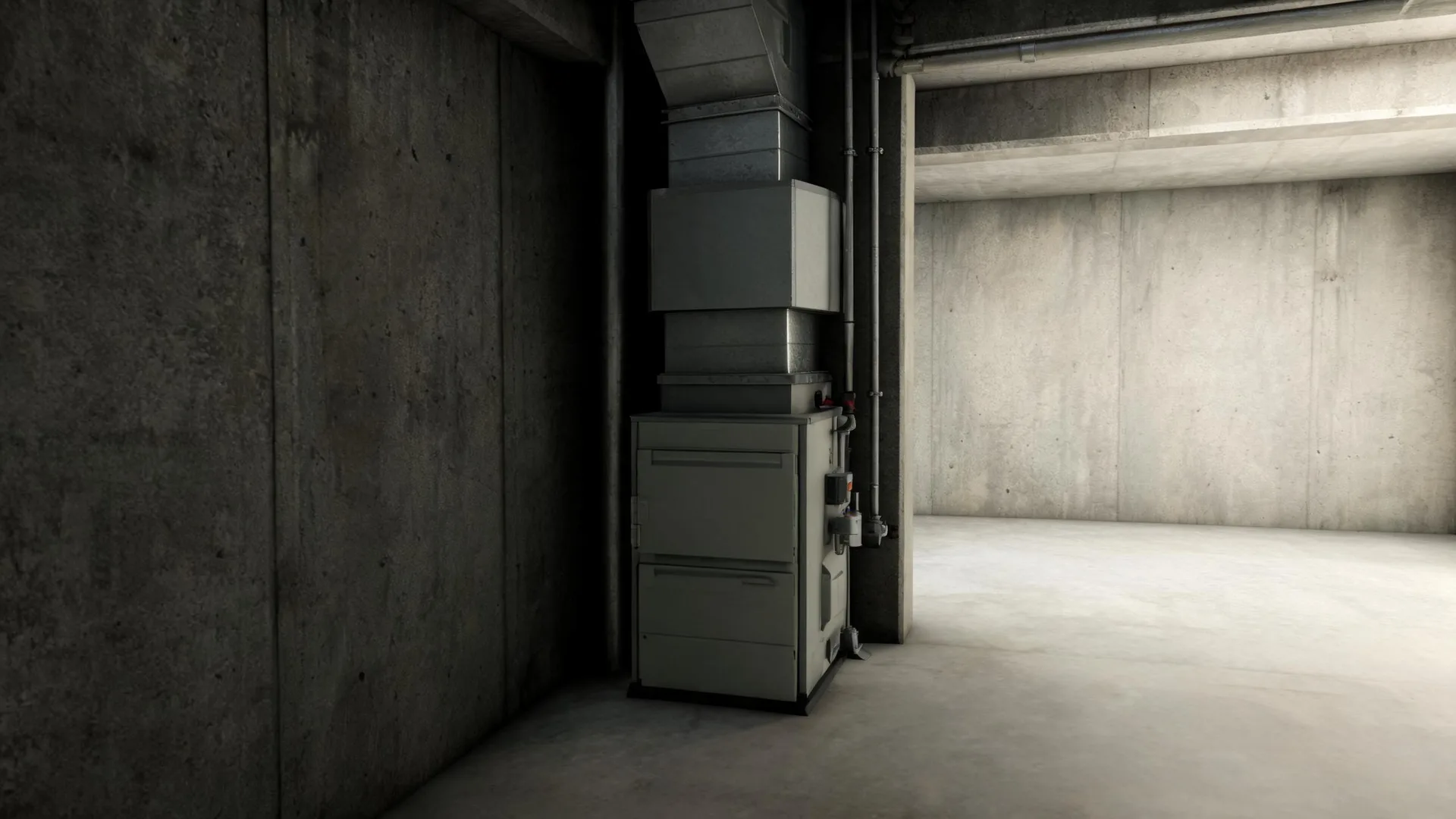
A contractor quoting furnace repair in Stark County starts by looking at what the burner and ignition system have been through before touching anything else. Homes in Stark County, ND run heat about ten months a year, from September through June. The heat exchanger and ignition components carry the full load of that cycle, and cracks or degraded igniters are the failure modes that show up most often when a licensed contractor opens the unit. A furnace that was undersized or improperly sealed at install has less margin to absorb that kind of accumulated wear, and the repair scope reflects it.
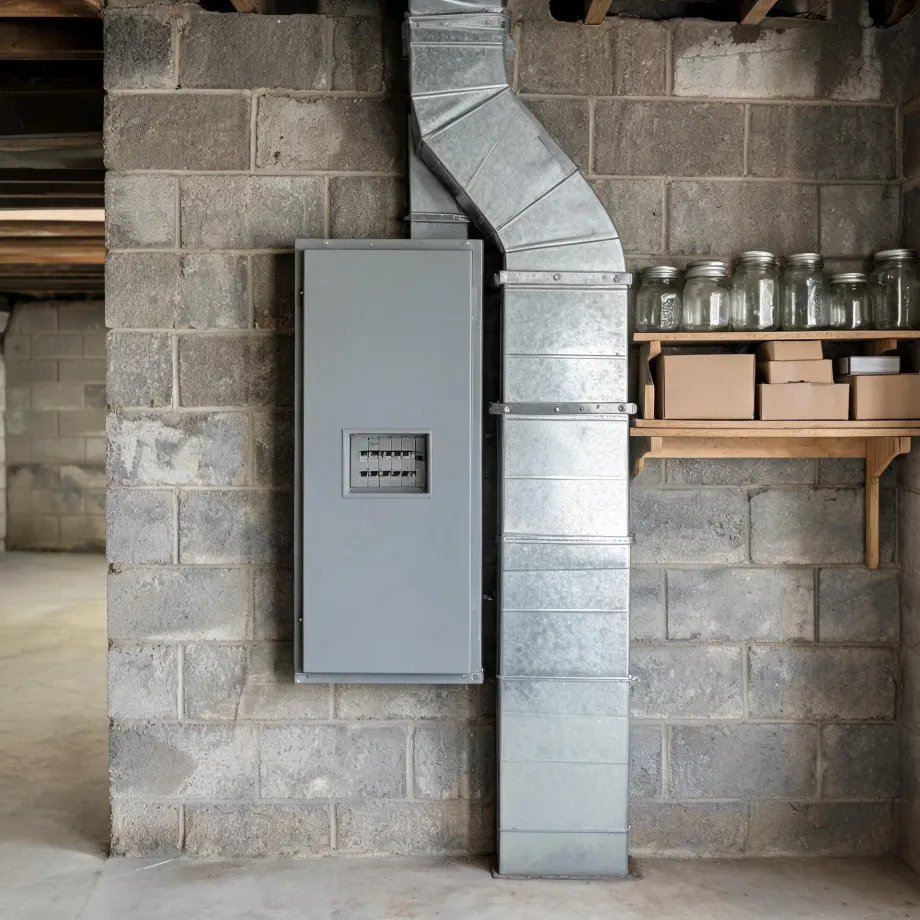
Furnace repair in Stark County starts inside the cabinet, because that is where the real condition of the system lives. Half the homes in Stark County, North Dakota were built in 1986 or earlier (2020-2024 ACS 5-year). Housing built that long ago was heated by equipment that has since been replaced at least once, sometimes more, and each successive furnace has run inside the same shell, the same flue arrangement, and the same distribution setup the original install established. What a contractor finds when the panels come off varies: a heat exchanger that has developed fine cracks along the stress lines, a blower wheel caked with particulate that the filter never fully caught, or a limit switch that has tripped enough times to become unreliable. Those are the findings that determine scope and parts.
The Parts of a Furnace a Contractor Checks First
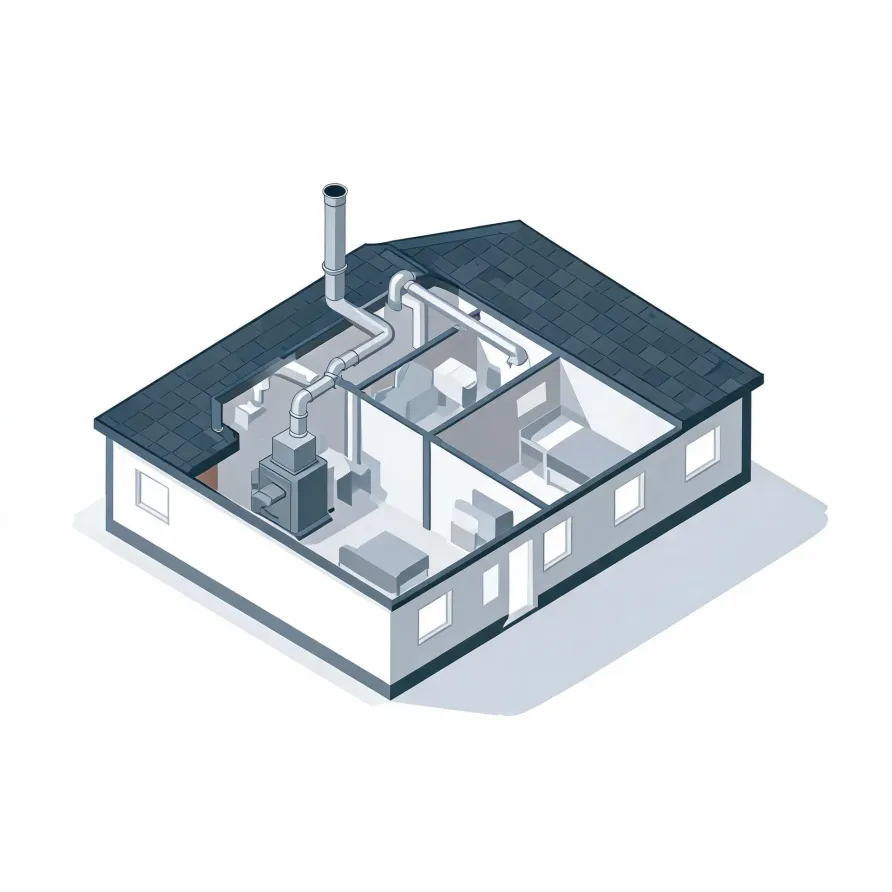
The furnace itself sits in the basement, utility room, or crawl space and is the piece a contractor opens first. Inside it, the heat exchanger is the part most worth understanding: a crack there lets combustion gases mix with the air your house breathes. The burners, which fire beneath the heat exchanger, are checked next for uneven flame or buildup that chokes ignition.
The blower motor pulls air across the heat exchanger and pushes it through the house. It sits inside the furnace cabinet, and a failing motor is often what turns a working furnace into one that runs but moves no heat. The flue pipe, which exits the cabinet and vents exhaust outside, gets inspected for blockage or separation at the joints.
The drawing shows a general layout of these components, and a licensed contractor determines which parts apply to your specific system and situation.
Find a contractor in Stark CountyStark County by the Numbers
185 severe weather events were recorded in Stark County, North Dakota between 2015 and 2024.
NOAA National Centers for Environmental Information, Storm Events Database, bulk CSV export, events 2015-01-01 through 2024-12-31.Half the homes in Stark County, North Dakota were built in 1986 or earlier (2020-2024 ACS 5-year).
U.S. Census Bureau, 2020-2024 American Community Survey 5-Year EstimatesStark County, North Dakota holds 15,514 housing units (2020-2024 ACS 5-year).
U.S. Census Bureau, 2020-2024 American Community Survey 5-Year EstimatesOwners occupy 66.8% of the occupied homes in Stark County, North Dakota (2020-2024 ACS 5-year).
U.S. Census Bureau, 2020-2024 American Community Survey 5-Year EstimatesCodes & Standards for Furnace Repair in Stark County, North Dakota5 sourced rules & standards
What the repair visit looks like
Non-weatherized gas furnaces manufactured on or after November 19, 2015 must reach 80.0 percent AFUE.
Non-weatherized oil-fired furnaces manufactured on or after November 19, 2015 must reach 83.0 percent AFUE.
Mobile home gas furnaces manufactured on or after November 19, 2015 must reach 80.0 percent AFUE.
Non-weatherized gas furnaces manufactured on or after December 18, 2028 must reach 95.0 percent AFUE, up from the 80.0 percent minimum that applies to units manufactured before that date.
Licensing Rules for HVAC Repair in Stark County, North Dakota
North Dakota requires a contractor licence once the cost, value or price of a job exceeds four thousand dollars, and an unlicensed contractor may not bring a claim or a lawsuit in a North Dakota court over the work.
Severe Weather Events in Stark County
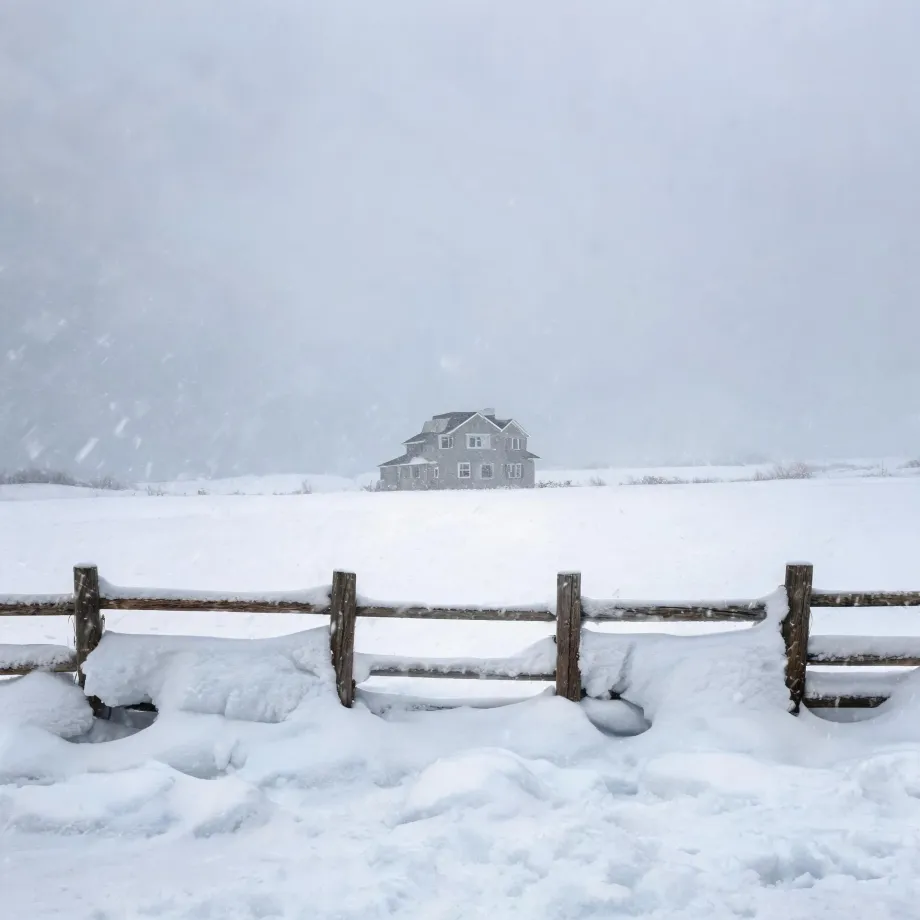
Stark County's weather puts real stress on furnaces over time. How hard a system works, and how often it fails, is shaped by local conditions more than anything else.
185 severe weather events, 2015–2024. Source: NOAA National Centers for Environmental Information, Storm Events Database.