Tell us about the job
Takes about a minute. No obligation.
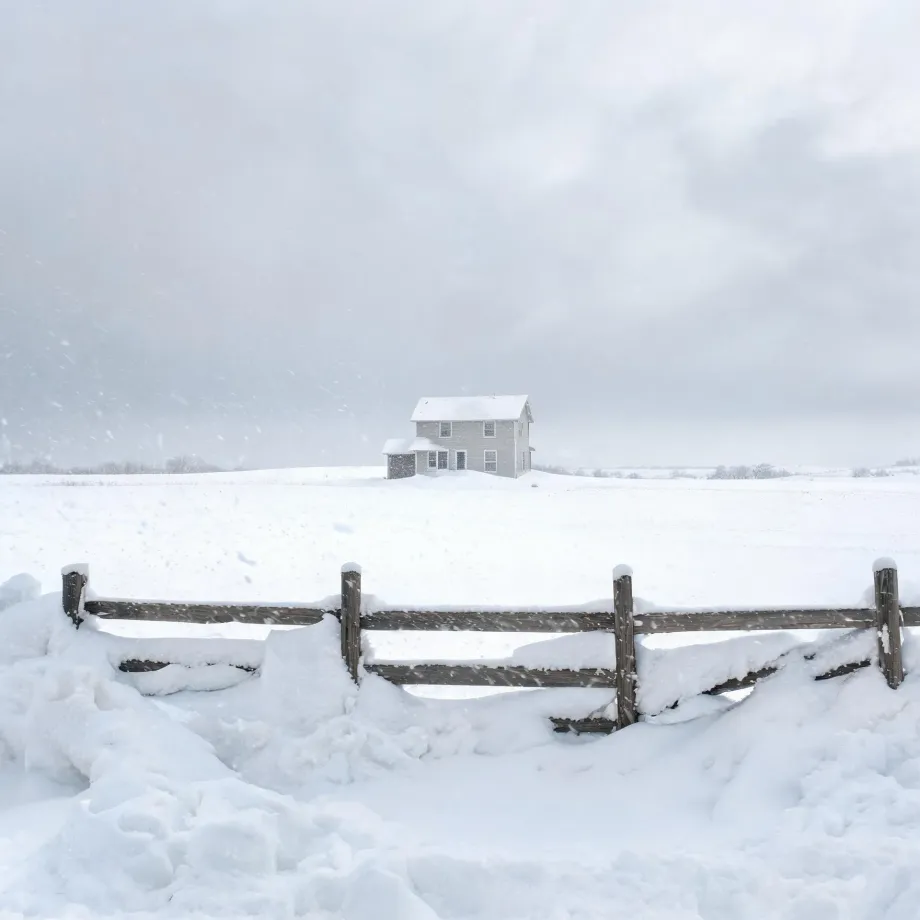
A furnace repair quote here starts with what the ignition system and heat exchanger have already been through. Homes in Renville County, ND run heat about nine months a year, from September through May. Parts that cycle every heating season accumulate wear on a schedule, and the burner assembly and igniter are usually the first places a contractor looks, not because they are the easiest to reach but because they are the most worked components in the cabinet. A cracked heat exchanger or a fouled flame sensor found during a repair call reflects the load the equipment has been running, and a contractor prices accordingly.
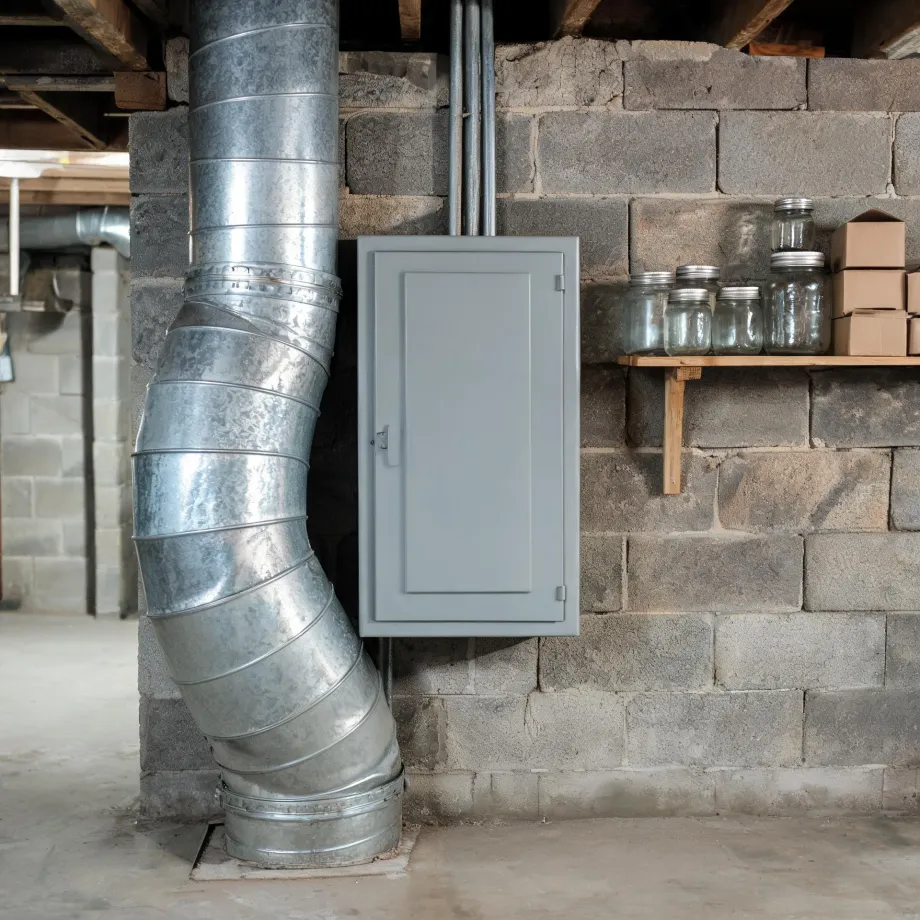
Furnace repairs in houses this old run into a specific problem: the parts a system takes are sometimes out of active production, which means a contractor opening a unit has to establish what generation of components it was built around before a repair scope can be written. Half the homes in Renville County, North Dakota were built in 1973 or earlier (2020-2024 ACS 5-year). That age of stock is where discontinued heat exchangers and hard-to-source burner assemblies live. What the contractor finds once the furnace is open decides whether the repair is a standard call or a search for components that have not been on a shelf for years.
The Parts of a Furnace a Contractor Checks First
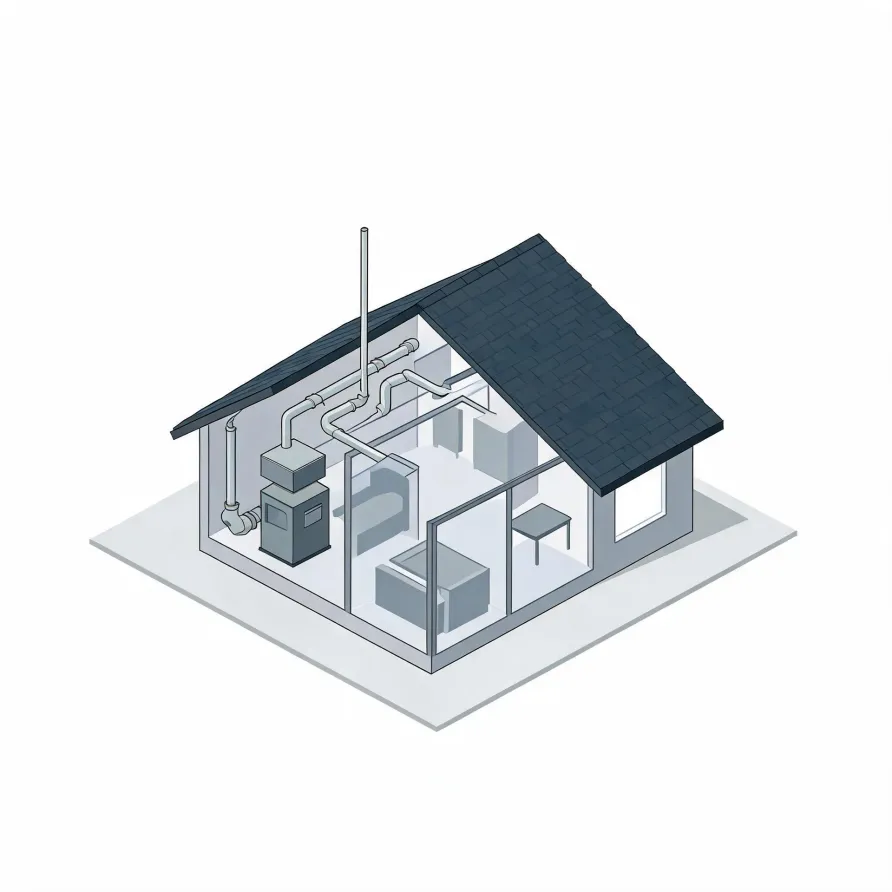
The heat exchanger sits at the core of the furnace cabinet and is the first place a contractor looks when heat output drops or the system runs but the house stays cold. The burner assembly feeds it, and a cracked or fouled exchanger will show that failure in the flame pattern. The blower motor sits below it and is what moves conditioned air into the ducts.
The control board runs the sequencing of every other component and is often the culprit when the furnace short-cycles or refuses to start at all. The inducer motor and pressure switches sit near the top of the cabinet and handle combustion airflow. The flue pipe exits through the wall or roof and a contractor checks it alongside the internal parts.
The drawing shows the general layout of a furnace system, and a licensed contractor determines which components apply and what condition they are in for this particular house.
Find a contractor in Renville CountyRenville County, by the record
86 severe weather events were recorded in Renville County, North Dakota between 2015 and 2024.
NOAA National Centers for Environmental Information, Storm Events Database, bulk CSV export, events 2015-01-01 through 2024-12-31.Half the homes in Renville County, North Dakota were built in 1973 or earlier (2020-2024 ACS 5-year).
U.S. Census Bureau, 2020-2024 American Community Survey 5-Year EstimatesRenville County, North Dakota holds 1,339 housing units (2020-2024 ACS 5-year).
U.S. Census Bureau, 2020-2024 American Community Survey 5-Year EstimatesOwners occupy 78.7% of the occupied homes in Renville County, North Dakota (2020-2024 ACS 5-year).
U.S. Census Bureau, 2020-2024 American Community Survey 5-Year EstimatesCodes & Standards Behind Furnace Repair in Renville County, North Dakota5 sourced rules and standards
What HVAC Repair Looks Like in Renville County
Non-weatherized gas furnaces manufactured on or after November 19, 2015 must reach 80.0 percent AFUE.
Non-weatherized oil-fired furnaces manufactured on or after November 19, 2015 must reach 83.0 percent AFUE.
Mobile home gas furnaces manufactured on or after November 19, 2015 must reach 80.0 percent AFUE.
Non-weatherized gas furnaces manufactured on or after December 18, 2028 must reach 95.0 percent AFUE, up from the 80.0 percent minimum that applies to units manufactured before that date.
Licensing Rules for HVAC Repair in Renville County, North Dakota
North Dakota requires a contractor licence once the cost, value or price of a job exceeds four thousand dollars, and an unlicensed contractor may not bring a claim or a lawsuit in a North Dakota court over the work.
Severe Weather Events in Renville County
North Dakota weather puts real stress on heating equipment, and Renville County gets its share of what the region delivers. A furnace that runs hard through harsh conditions wears faster and fails sooner, which is why local weather history is part of understanding local repair demand.
86 severe weather events, 2015–2024. Source: NOAA National Centers for Environmental Information, Storm Events Database.