Tell us about the job
Takes about a minute. No obligation.
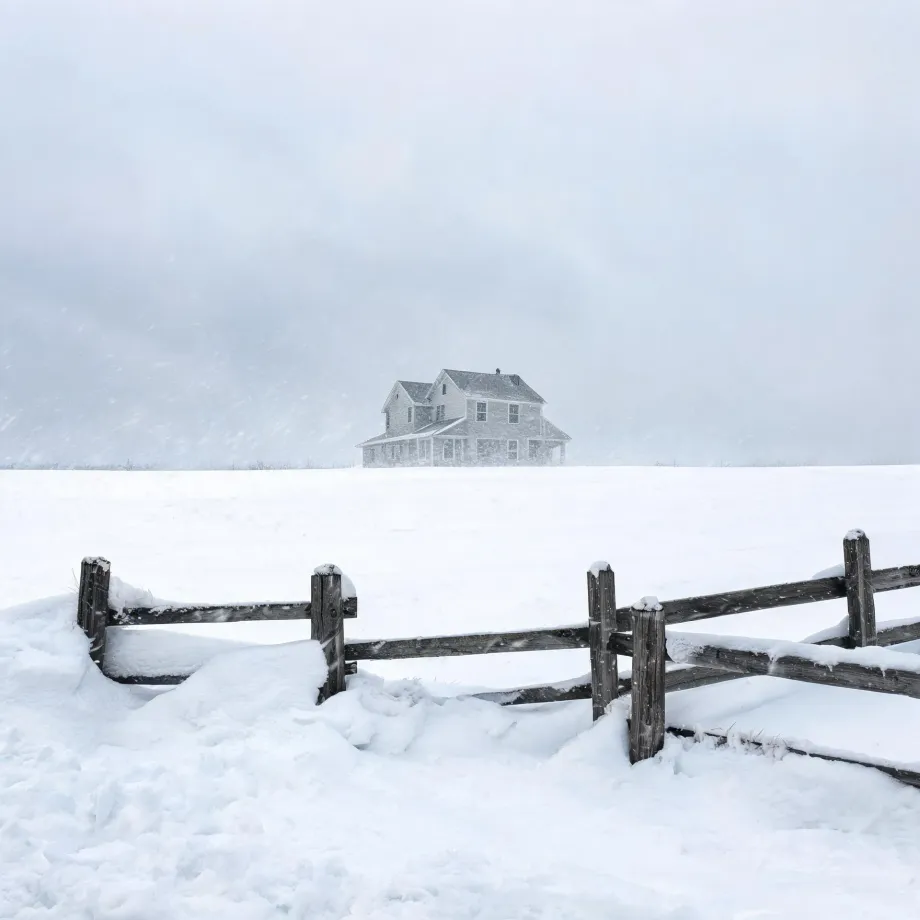
A furnace in Bottineau County earns its failures honestly. Homes in Bottineau County, ND run heat about nine months a year, from September through May. Burners cycle through that season hundreds of times, and the ignition system fires at the start of each one. By the time a homeowner calls for a repair, the heat exchanger and ignition assembly have already absorbed years of that load. A contractor arriving at a no-heat call here goes to those parts first, because that is where the wear concentrates.
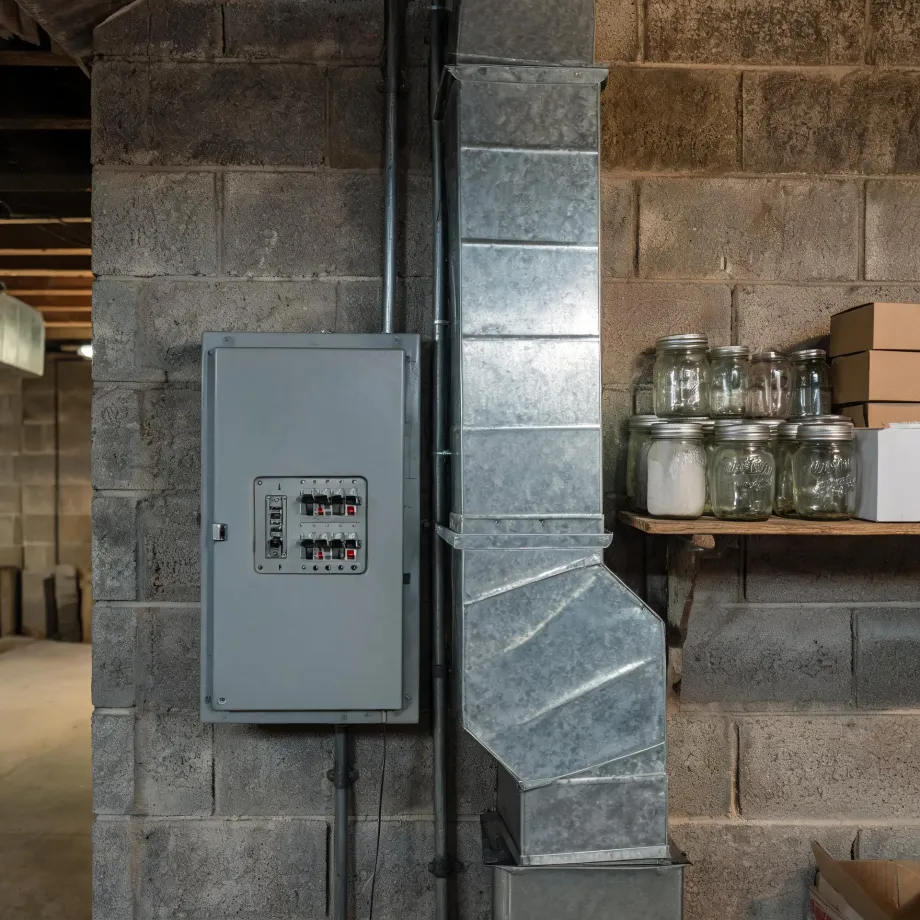
Ductwork in a house this old was sized and routed for whatever system was running at the time, and the furnace sitting in it now is almost certainly not the original. Half the homes in Bottineau County, North Dakota were built in 1976 or earlier (2020-2024 ACS 5-year). That history of piecemeal replacement means a contractor opening a failed unit in this county finds components of different ages, and the condition of the heat exchanger and burner assembly tells the repair story more reliably than the cabinet or the label. Parts for a system that has been updated in stages can pull from more than one product line, so confirming what is actually in the unit before ordering is the step that determines the scope and the cost.
The Parts of a Furnace a Contractor Checks First
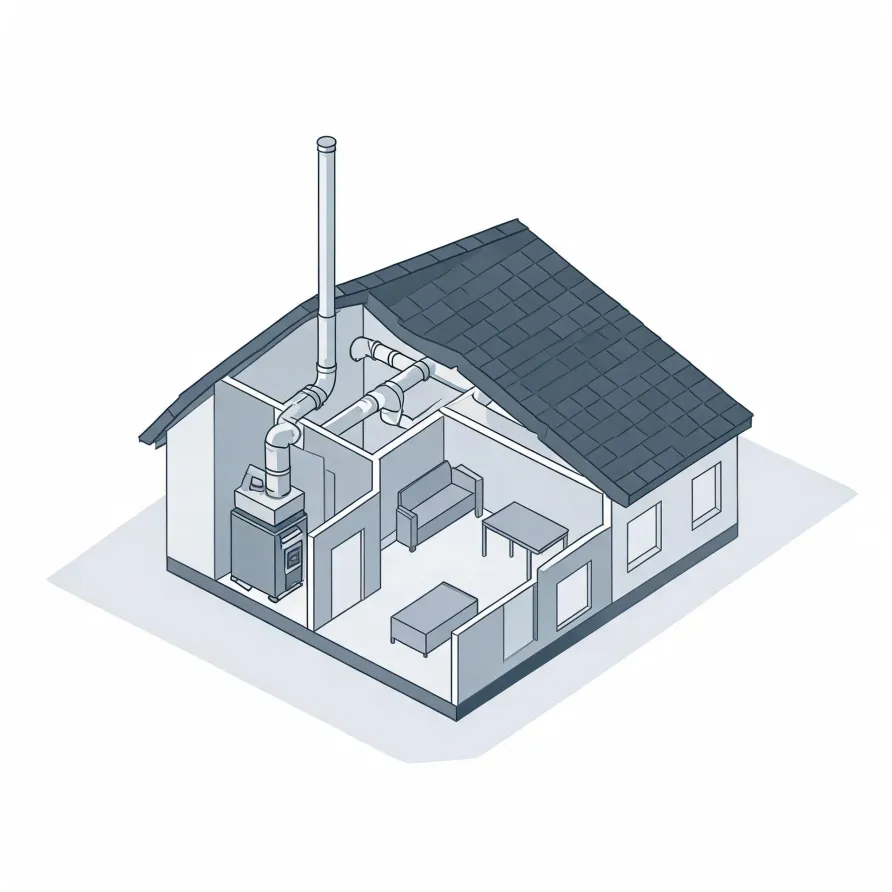
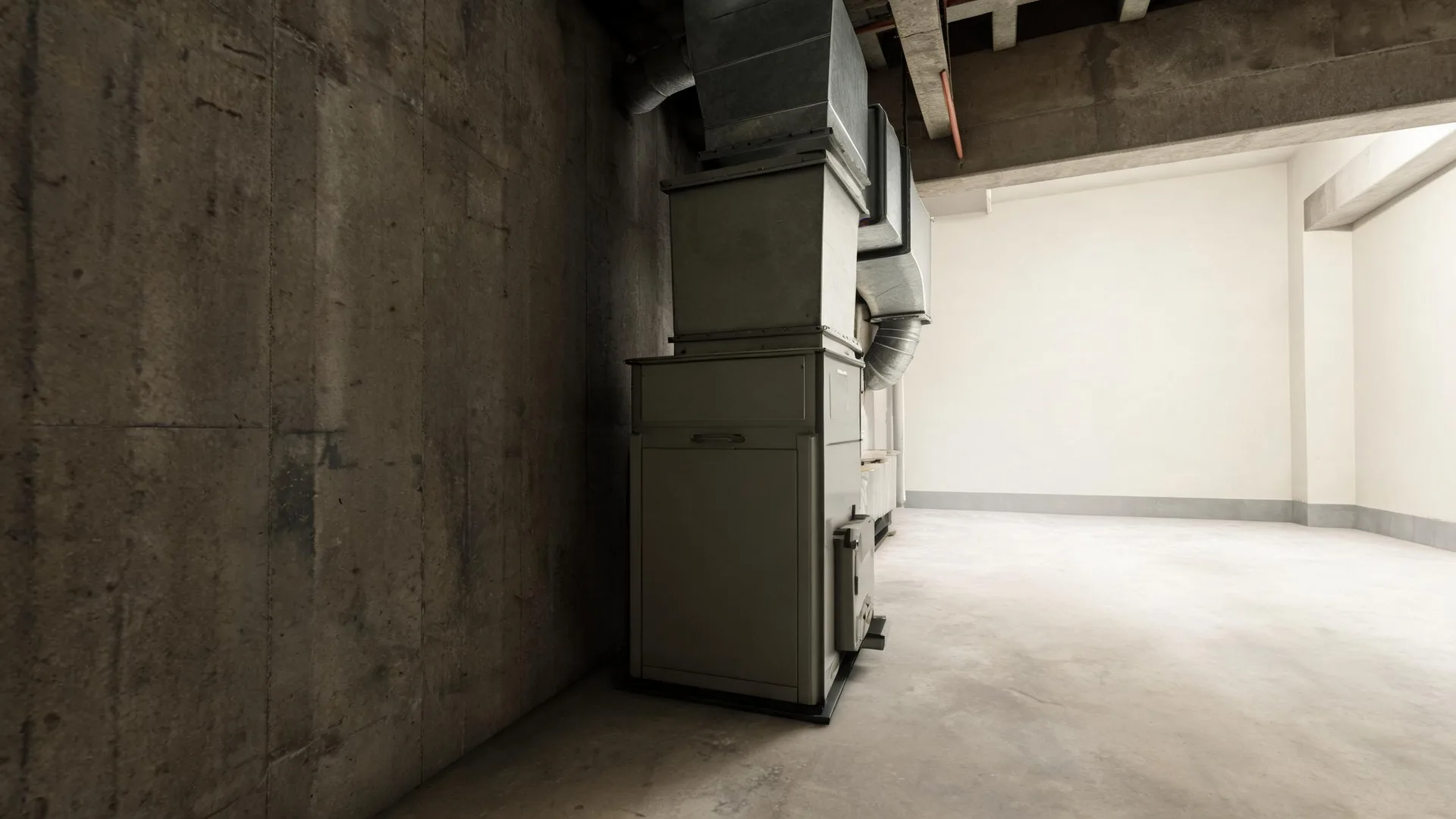
The furnace cabinet sits in a basement, utility room, or closet and is the core of the system. Inside it, the heat exchanger is where combustion gases give up their heat, and a cracked or corroded exchanger is one of the first things a contractor looks for when a furnace is underperforming or putting out carbon monoxide. The burners, which fire inside that exchanger, are checked for uneven flame, buildup, or ignition failure.
The blower motor sits at the base of the cabinet and pushes conditioned air out through the supply side of the system. The flue pipe runs from the cabinet to an outside vent and carries combustion byproducts out of the house. A contractor also checks the inducer motor, the pressure switches, and the control board, each of which can stop the furnace from completing a heating cycle.
The drawing shows a typical furnace layout, and a licensed contractor determines which components apply and what condition they are in for your specific house.
Find a contractor in Bottineau CountyBottineau County by the Numbers
133 severe weather events were recorded in Bottineau County, North Dakota between 2015 and 2024.
NOAA National Centers for Environmental Information, Storm Events Database, bulk CSV export, events 2015-01-01 through 2024-12-31.Half the homes in Bottineau County, North Dakota were built in 1976 or earlier (2020-2024 ACS 5-year).
U.S. Census Bureau, 2020-2024 American Community Survey 5-Year EstimatesBottineau County, North Dakota holds 3,956 housing units (2020-2024 ACS 5-year).
U.S. Census Bureau, 2020-2024 American Community Survey 5-Year EstimatesOwners occupy 79.2% of the occupied homes in Bottineau County, North Dakota (2020-2024 ACS 5-year).
U.S. Census Bureau, 2020-2024 American Community Survey 5-Year EstimatesCodes & Standards Covering Furnace Repair in Bottineau County, North Dakota5 sourced rules and standards
What HVAC Repair Looks Like in Bottineau County
Non-weatherized gas furnaces manufactured on or after November 19, 2015 must reach 80.0 percent AFUE.
Non-weatherized oil-fired furnaces manufactured on or after November 19, 2015 must reach 83.0 percent AFUE.
Mobile home gas furnaces manufactured on or after November 19, 2015 must reach 80.0 percent AFUE.
Non-weatherized gas furnaces manufactured on or after December 18, 2028 must reach 95.0 percent AFUE, up from the 80.0 percent minimum that applies to units manufactured before that date.
Licensing and Legal Requirements in Bottineau County, North Dakota
North Dakota requires a contractor licence once the cost, value or price of a job exceeds four thousand dollars, and an unlicensed contractor may not bring a claim or a lawsuit in a North Dakota court over the work.
Severe Weather Events in Bottineau County
Bottineau County weather puts real strain on furnace equipment, and that strain shows up as repair calls. How often conditions push a heating system to its limits is a local fact, not a general one.
133 severe weather events, 2015–2024. Source: NOAA National Centers for Environmental Information, Storm Events Database.