Tell us about the job
Takes about a minute. No obligation.
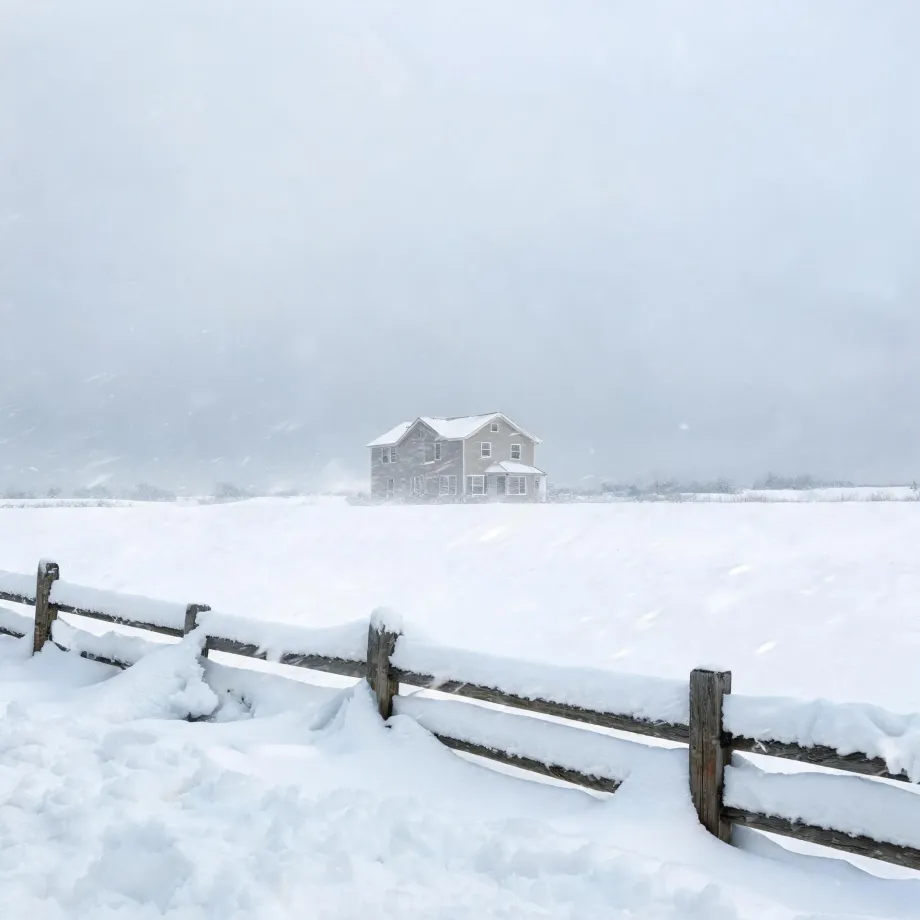
A furnace repair in Ward County starts with what the burner and heat exchanger have already been through. Homes in Ward County, ND run heat about nine months a year, from September through May. A system that cycles through a season that long accumulates wear on the ignition system, the heat exchanger, and the burner itself, and those are the components a contractor checks first. Cracks in the heat exchanger or a failing igniter are not surprises here; they are the predictable result of what the equipment has been asked to do year after year.
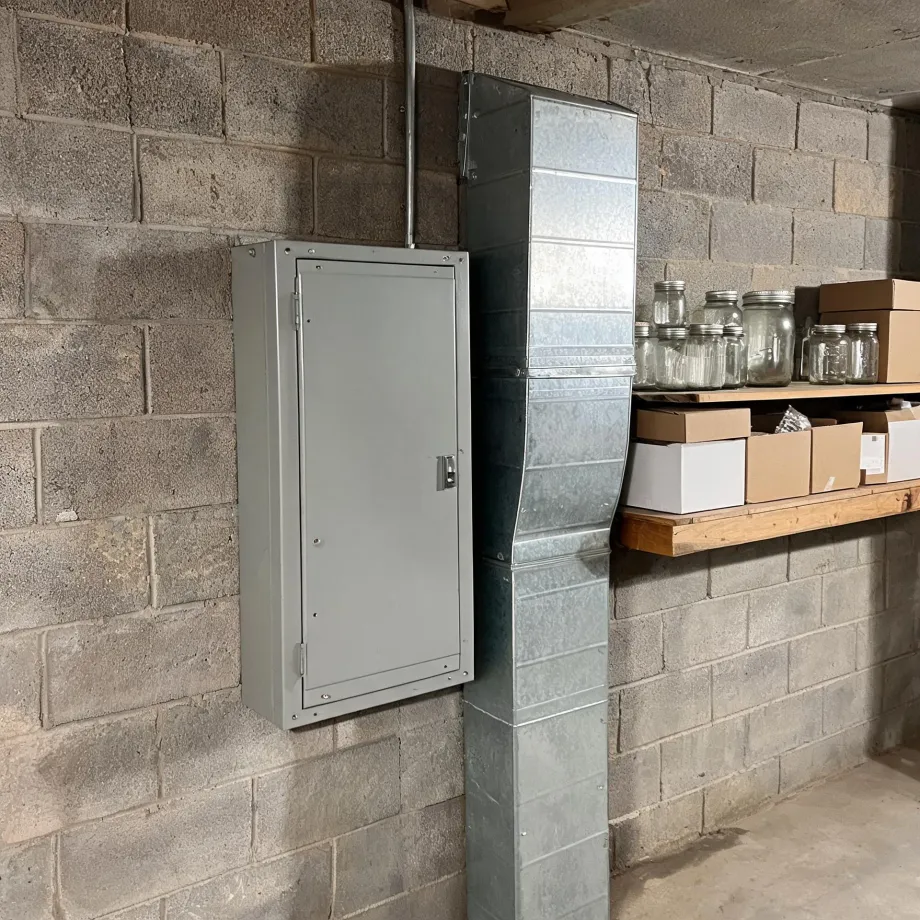
Half the homes in Ward County, North Dakota were built in 1984 or earlier (2020-2024 ACS 5-year). A furnace running in a house from that era of the stock has frequently been swapped or modified at least once, which means the unit a contractor opens is not always what the original installation documents describe. The repair scope follows from what the opened heat exchanger and burner assembly actually are, and from whether the manufacturer still supplies the parts that component takes. Houses built around that period were not designed with today's replacement cycles in mind, so part availability on older retrofitted equipment varies enough to change whether a repair is worth completing at all.
The Parts of a Furnace a Contractor Checks First
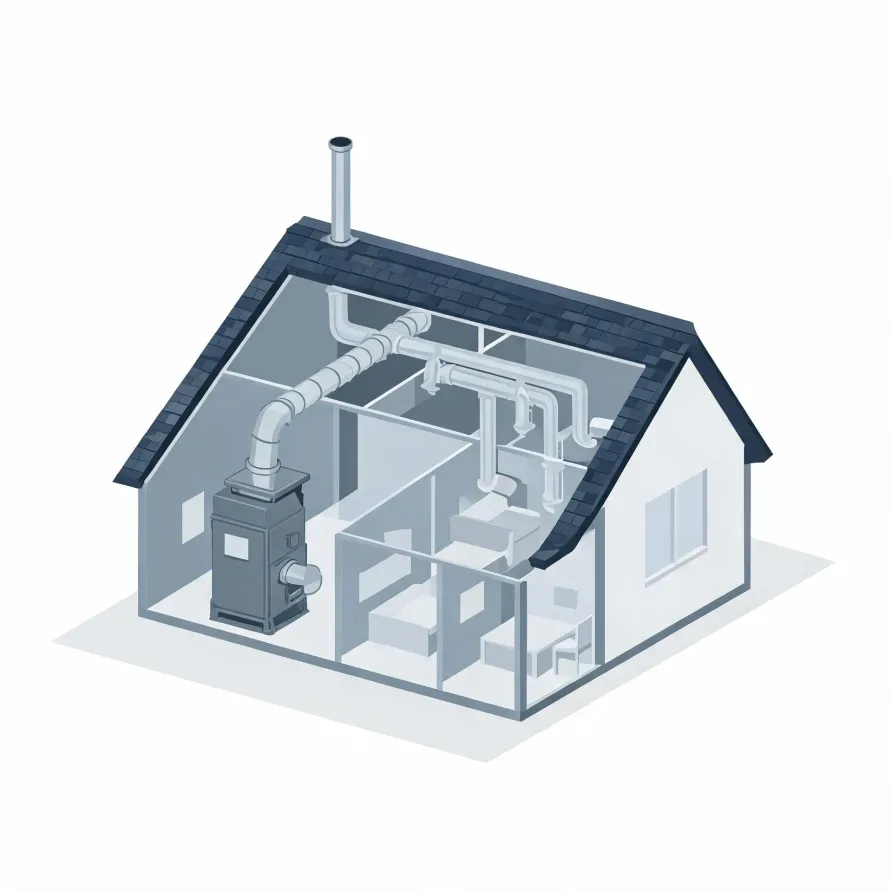
The furnace itself sits in a utility space, basement, or closet and is the heart of the system. Inside it, the heat exchanger is what a contractor looks at closely during a repair call. Cracks or failures there stop heated air from reaching the rest of the house safely, and the burners that fire beneath it get checked alongside it.
The blower motor pushes conditioned air out through the supply side of the duct system and pulls return air back in. The flue or venting pipe exits the furnace and carries combustion gases out of the house. Both the blower and the venting path are common places a contractor finds the source of a problem.
The drawing shows the general layout of these components, and a licensed contractor determines what applies to the specific equipment and configuration in your home.
Find a contractor in Ward CountyWard County, North Dakota, by the numbers
148 severe weather events were recorded in Ward County, North Dakota between 2015 and 2024.
NOAA National Centers for Environmental Information, Storm Events Database, bulk CSV export, events 2015-01-01 through 2024-12-31.Half the homes in Ward County, North Dakota were built in 1984 or earlier (2020-2024 ACS 5-year).
U.S. Census Bureau, 2020-2024 American Community Survey 5-Year EstimatesWard County, North Dakota holds 32,487 housing units (2020-2024 ACS 5-year).
U.S. Census Bureau, 2020-2024 American Community Survey 5-Year EstimatesOwners occupy 60.8% of the occupied homes in Ward County, North Dakota (2020-2024 ACS 5-year).
U.S. Census Bureau, 2020-2024 American Community Survey 5-Year EstimatesFurnace Repair Rules & Standards for Ward County, North Dakota5 sourced regulations and codes
What HVAC Repair Looks Like in Ward County
Non-weatherized gas furnaces manufactured on or after November 19, 2015 must reach 80.0 percent AFUE.
Non-weatherized oil-fired furnaces manufactured on or after November 19, 2015 must reach 83.0 percent AFUE.
Mobile home gas furnaces manufactured on or after November 19, 2015 must reach 80.0 percent AFUE.
Non-weatherized gas furnaces manufactured on or after December 18, 2028 must reach 95.0 percent AFUE, up from the 80.0 percent minimum that applies to units manufactured before that date.
Licensing and Legal Requirements in Ward County, North Dakota
North Dakota requires a contractor licence once the cost, value or price of a job exceeds four thousand dollars, and an unlicensed contractor may not bring a claim or a lawsuit in a North Dakota court over the work.
Severe Weather Events in Ward County
Extreme weather puts real strain on furnace equipment, forcing it to run harder and longer than it would in mild conditions. How often that happens in Ward County shapes how much wear local furnaces accumulate and what repair needs tend to look like here.
148 severe weather events, 2015–2024. Source: NOAA National Centers for Environmental Information, Storm Events Database.