Tell us about the job
Takes about a minute. No obligation.
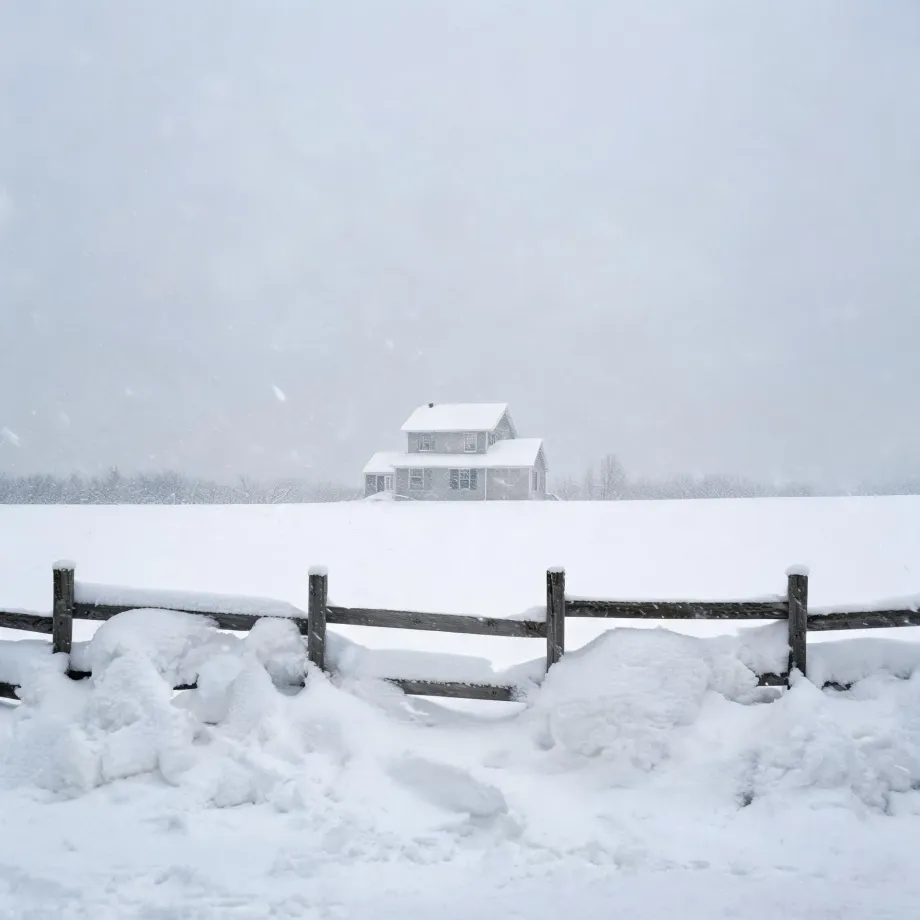
The burner and heat exchanger on a furnace here cycle hard every fall, winter, and into spring. Homes in Sheridan County, ND run heat about nine months a year, from September through May. A contractor diagnosing a repair in this county checks those two components first, because the cycling load accumulates there faster than anywhere else in the system. Cracks in the heat exchanger and carbon buildup on the burner ports are the common findings, not the ignition board or the blower motor. The idle months that follow do not undo that wear.
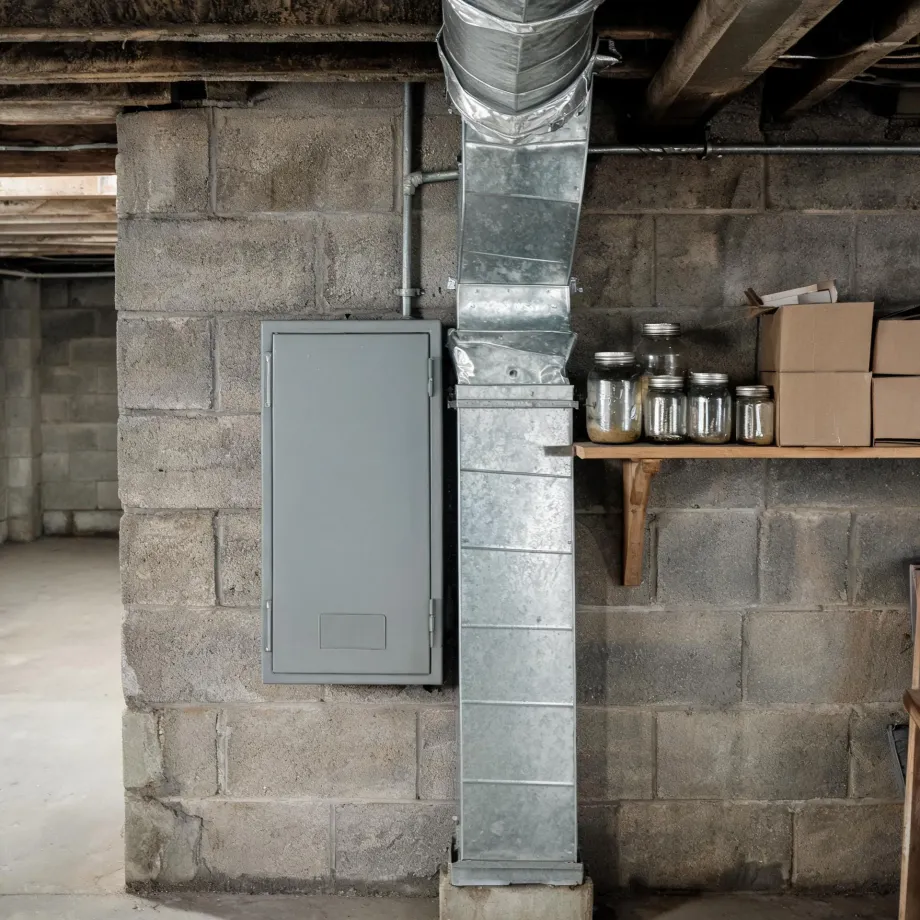
Ductwork in a house that has seen multiple furnace generations rarely fits cleanly around what is running in it now. Seams get patched, branches get rerouted, and the pressure balance the original layout was built around is long gone. Half the homes in Sheridan County, North Dakota were built in 1967 or earlier (2020-2024 ACS 5-year). That history matters when a contractor opens a furnace and starts diagnosing, because airflow problems and heat exchanger stress in stock this old often trace back to what the ducts are doing, not to the component the homeowner expected to replace.
The Parts of a Furnace a Contractor Checks First
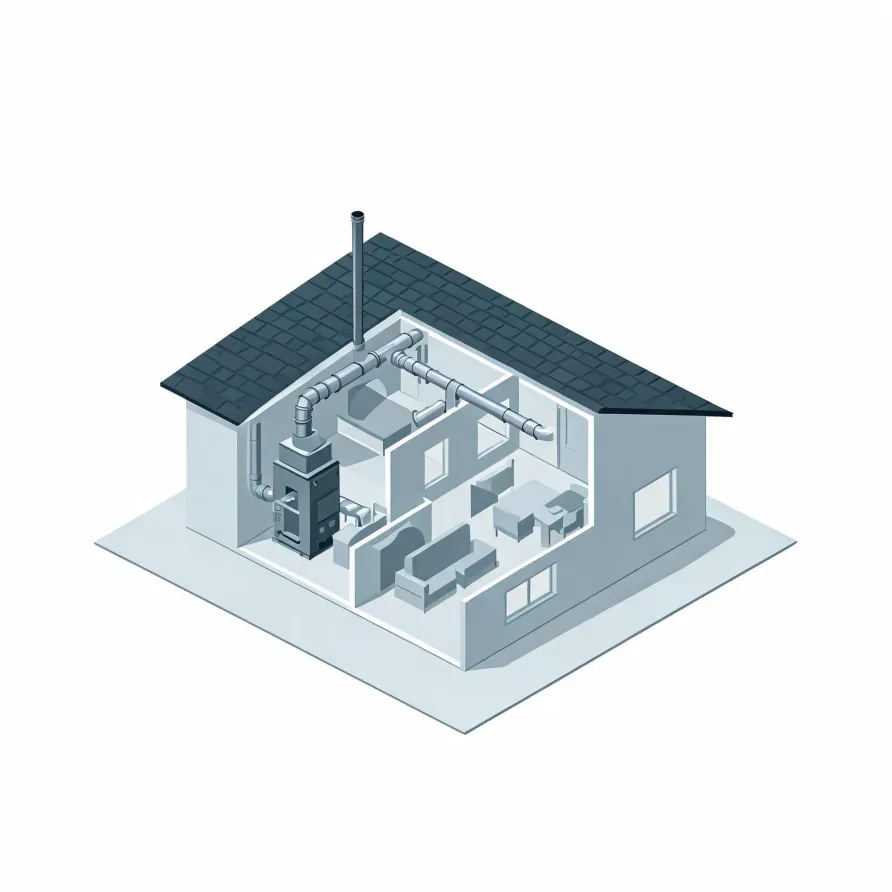
The furnace itself sits in the basement, utility room, or crawl space and is where heated air originates. Inside it, the heat exchanger is the piece a contractor looks at closely when something is wrong, because cracks or corrosion there affect both performance and safety. The burners, which fire inside the exchanger, are another early stop when the system is producing weak heat or no heat at all.
The blower motor sits within the furnace cabinet and pushes conditioned air out into the house. The flue pipe runs from the furnace to an exterior wall or roofline and carries combustion gases out. The thermostat, mounted on an interior wall, is where a contractor often starts, since a wiring fault or failed sensor there can mimic a much larger problem.
The drawing shows a general layout of these components, and a licensed contractor determines what applies to the specific equipment and configuration in your home.
Find a contractor in Sheridan CountySheridan County, by the numbers
81 severe weather events were recorded in Sheridan County, North Dakota between 2015 and 2024.
NOAA National Centers for Environmental Information, Storm Events Database, bulk CSV export, events 2015-01-01 through 2024-12-31.Half the homes in Sheridan County, North Dakota were built in 1967 or earlier (2020-2024 ACS 5-year).
U.S. Census Bureau, 2020-2024 American Community Survey 5-Year EstimatesSheridan County, North Dakota holds 838 housing units (2020-2024 ACS 5-year).
U.S. Census Bureau, 2020-2024 American Community Survey 5-Year EstimatesOwners occupy 84.0% of the occupied homes in Sheridan County, North Dakota (2020-2024 ACS 5-year).
U.S. Census Bureau, 2020-2024 American Community Survey 5-Year EstimatesFurnace Repair Rules on the Books for Sheridan County, North Dakota5 codes, standards & laws
What HVAC Repair Looks Like in Sheridan County
Non-weatherized gas furnaces manufactured on or after November 19, 2015 must reach 80.0 percent AFUE.
Non-weatherized oil-fired furnaces manufactured on or after November 19, 2015 must reach 83.0 percent AFUE.
Mobile home gas furnaces manufactured on or after November 19, 2015 must reach 80.0 percent AFUE.
Non-weatherized gas furnaces manufactured on or after December 18, 2028 must reach 95.0 percent AFUE, up from the 80.0 percent minimum that applies to units manufactured before that date.
Licensing Rules for HVAC Repair in Sheridan County, North Dakota
North Dakota requires a contractor licence once the cost, value or price of a job exceeds four thousand dollars, and an unlicensed contractor may not bring a claim or a lawsuit in a North Dakota court over the work.
Severe Weather Events in Sheridan County
North Dakota weather puts real strain on furnace components, and Sheridan County conditions are part of what shapes how hard local equipment has to work. Repair frequency and part wear are tied to that load, which is why weather history belongs on a page about furnace service.
81 severe weather events, 2015–2024. Source: NOAA National Centers for Environmental Information, Storm Events Database.