Tell us about the job
Takes about a minute. No obligation.
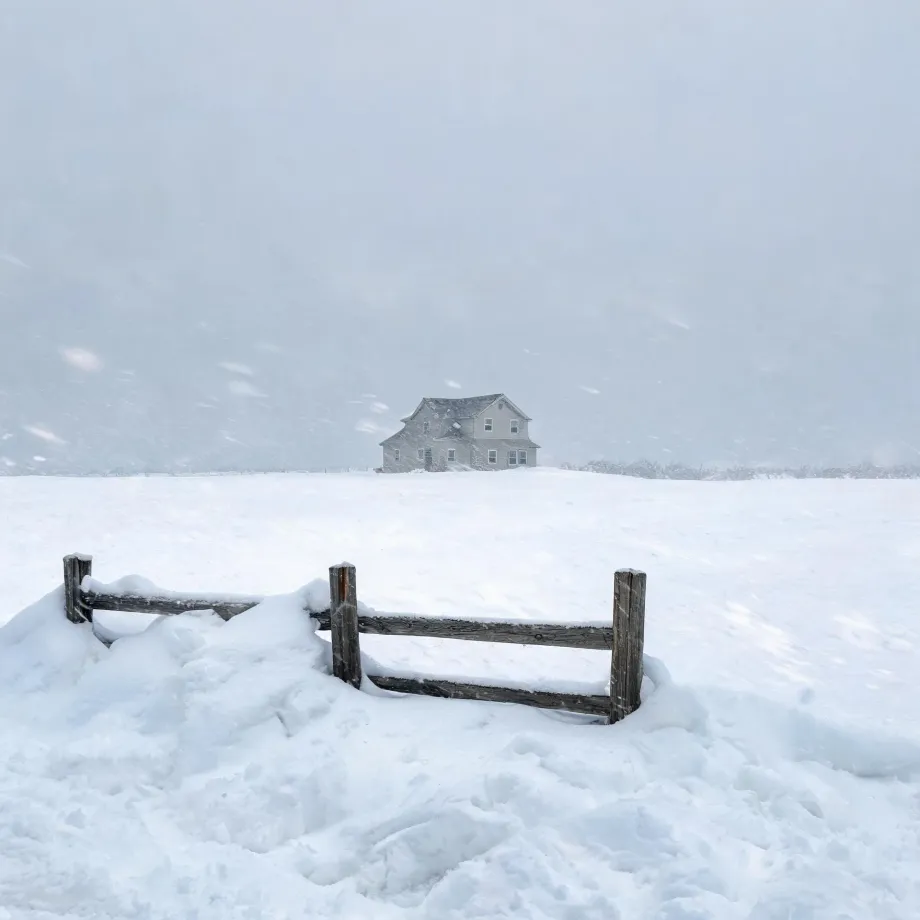
A repair contractor in Foster County starts with the burner assembly and heat exchanger before anything else, because those are the parts that have been cycling the longest. Homes in Foster County, ND run heat about nine months a year, from September through May. That kind of sustained demand wears ignition components, stresses the heat exchanger at its welds and joints, and shortens the window between the first sign of a problem and a breakdown. A crack in the heat exchanger that might take years to show up in a milder climate shows up here sooner, and it shows up mid-season when the system has no rest.
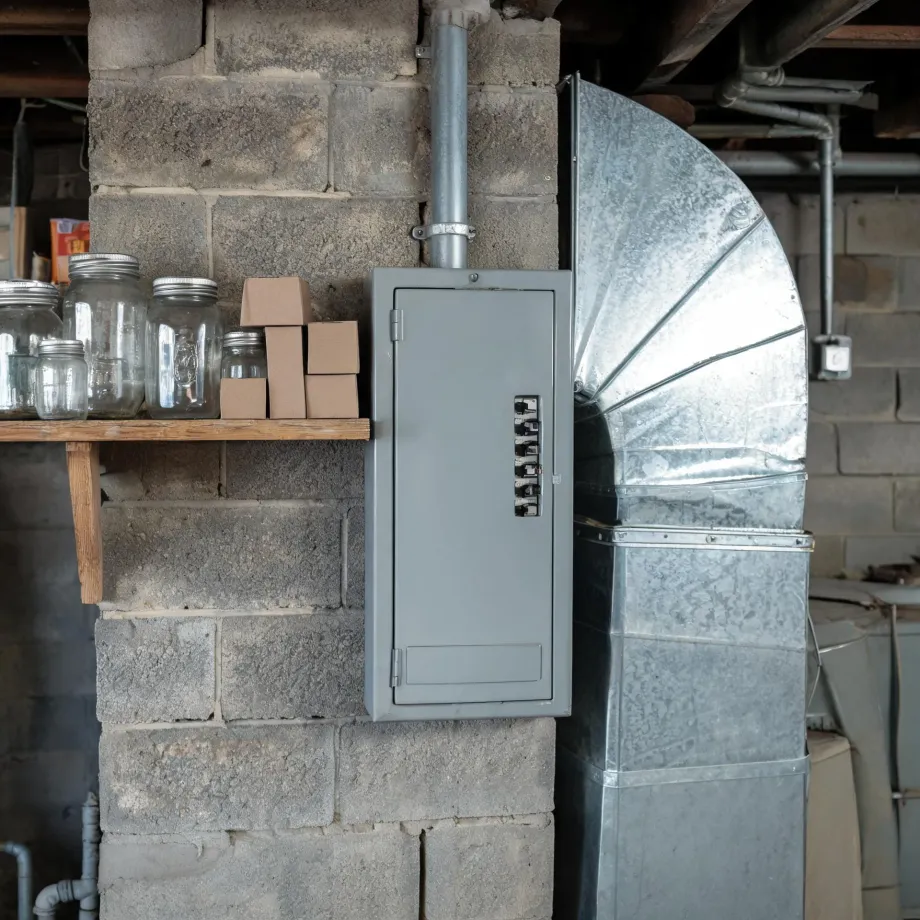
Furnace repair in older housing stock runs into a wall that has nothing to do with the technician's skill: the parts a system takes. Half the homes in Foster County, North Dakota were built in 1973 or earlier (2020-2024 ACS 5-year). That puts a contractor opening a furnace here in a position where the diagnosis comes fast and the sourcing does not. Heat exchangers, gas valves, and ignition components for equipment installed in houses this old are not stocked at a local supplier. A contractor has to confirm what the unit actually takes before quoting, because the availability of that part decides whether the repair is a day's work or a longer one.
The Parts of a Furnace a Contractor Checks First
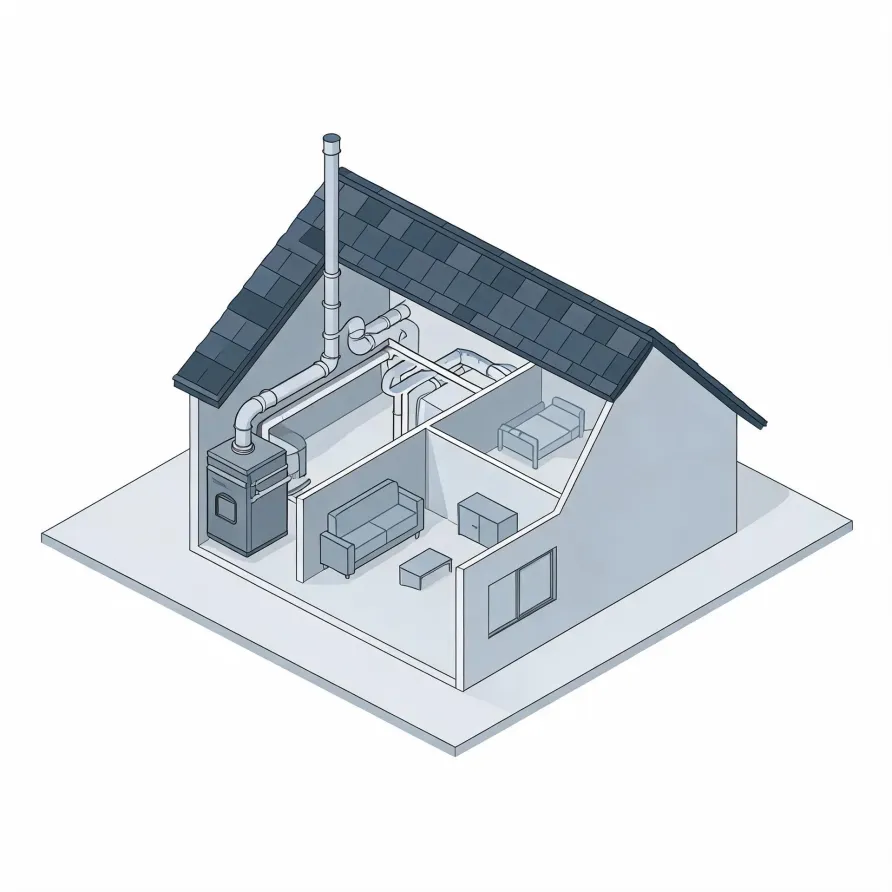
The furnace itself sits in the basement, utility room, or crawl space and is the heart of the system. Inside it, the heat exchanger and burner assembly are where a contractor looks first when heat output drops or the unit behaves erratically. A cracked heat exchanger or a burner that won't fire cleanly accounts for a wide range of symptoms.
The blower motor and fan sit inside the furnace cabinet and push conditioned air into the supply plenum. Near the burner, the igniter, flame sensor, and gas valve work together to start and sustain a flame. When a furnace short-cycles, runs cold, or won't start at all, these components are what a contractor traces through.
The drawing shows the general layout of a furnace system, and a licensed contractor determines which components apply to your specific home and situation.
Find a contractor in Foster CountyFoster County, by the facts
101 severe weather events were recorded in Foster County, North Dakota between 2015 and 2024.
NOAA National Centers for Environmental Information, Storm Events Database, bulk CSV export, events 2015-01-01 through 2024-12-31.Half the homes in Foster County, North Dakota were built in 1973 or earlier (2020-2024 ACS 5-year).
U.S. Census Bureau, 2020-2024 American Community Survey 5-Year EstimatesFoster County, North Dakota holds 1,775 housing units (2020-2024 ACS 5-year).
U.S. Census Bureau, 2020-2024 American Community Survey 5-Year EstimatesOwners occupy 79.7% of the occupied homes in Foster County, North Dakota (2020-2024 ACS 5-year).
U.S. Census Bureau, 2020-2024 American Community Survey 5-Year EstimatesCodes & Standards Covering Furnace Repair in Foster County, North Dakota5 sourced rules and standards
What Happens When a Contractor Comes Out
Non-weatherized gas furnaces manufactured on or after November 19, 2015 must reach 80.0 percent AFUE.
Non-weatherized oil-fired furnaces manufactured on or after November 19, 2015 must reach 83.0 percent AFUE.
Mobile home gas furnaces manufactured on or after November 19, 2015 must reach 80.0 percent AFUE.
Non-weatherized gas furnaces manufactured on or after December 18, 2028 must reach 95.0 percent AFUE, up from the 80.0 percent minimum that applies to units manufactured before that date.
Licensing Rules for HVAC Repair in Foster County, North Dakota
North Dakota requires a contractor licence once the cost, value or price of a job exceeds four thousand dollars, and an unlicensed contractor may not bring a claim or a lawsuit in a North Dakota court over the work.
Severe Weather Events in Foster County
Extreme weather puts real load on a furnace, pushing it harder and more often than mild winters ever would. How much of that pressure your equipment faces is a Foster County question, not a statewide one.
101 severe weather events, 2015–2024. Source: NOAA National Centers for Environmental Information, Storm Events Database.