Tell us about the job
Takes about a minute. No obligation.
Sizing a furnace for this house is where the install either holds up or costs the homeowner later. Homes in Mountrail County, ND run heat about ten months a year, from September through June. The burner, heat exchanger, and ignition system take the full weight of that load, cycling through cold spell after cold spell with only a short summer break. A unit that is undersized runs longer per cycle to meet the thermostat, and the heat exchanger accumulates stress accordingly. Contractors working installs here establish the actual load on the structure before they spec equipment, because a box that fits the square footage on paper and the heat loss in practice are two different answers.
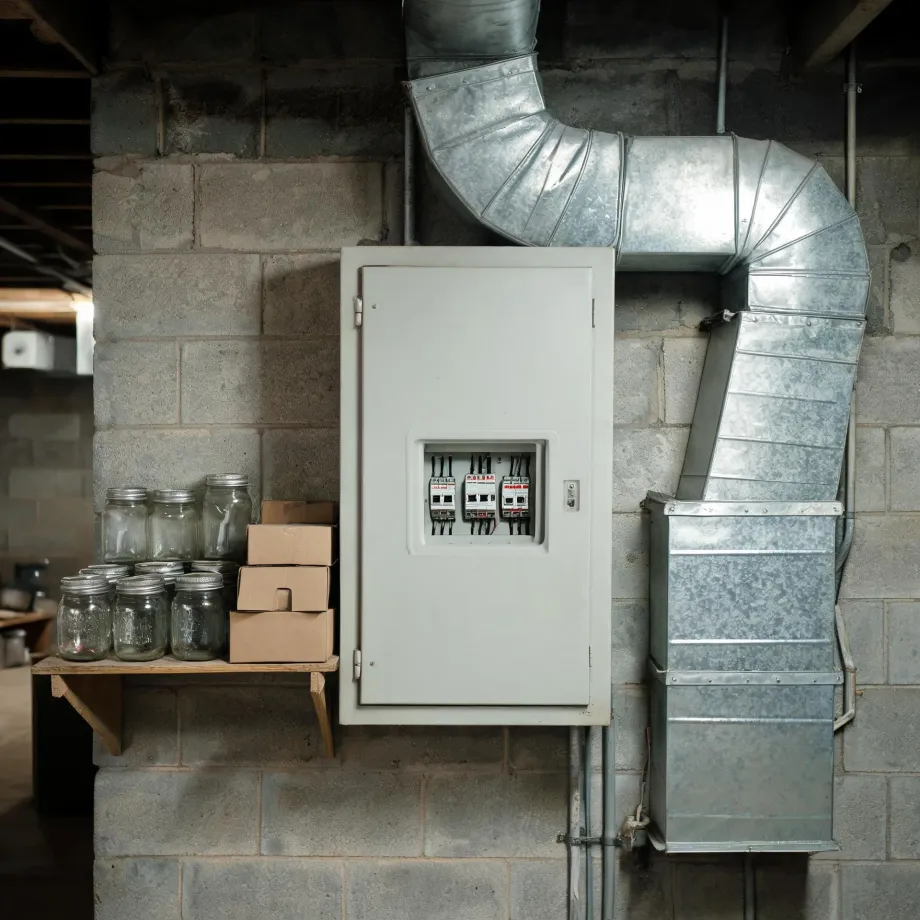
Ductwork sized and routed for an older system does not automatically carry a new furnace. A contractor scoping a job here checks what the existing runs can actually deliver before anything gets ordered. Half the homes in Mountrail County, North Dakota were built in 1997 or earlier (2020-2024 ACS 5-year). That puts the duct layout at the center of the installation conversation, because a house built around one kind of heating load may need modifications before a replacement unit performs correctly. The electrical service gets the same look. What the contractor finds in the walls and the panel decides the scope.
What Gets Installed With a New Furnace
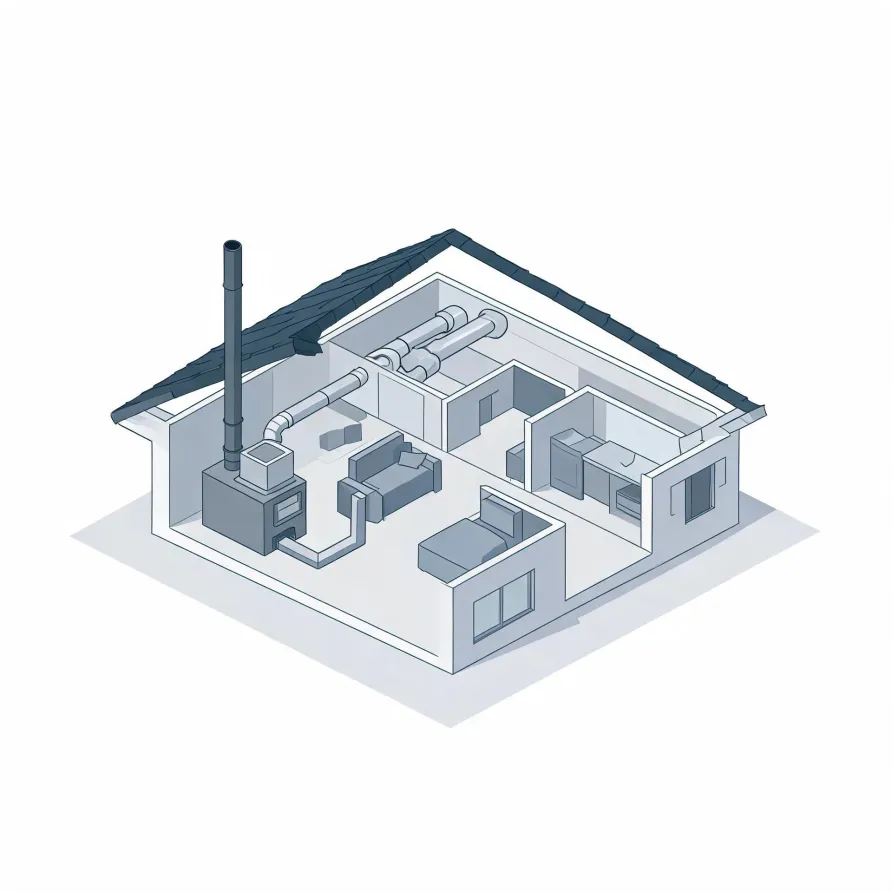
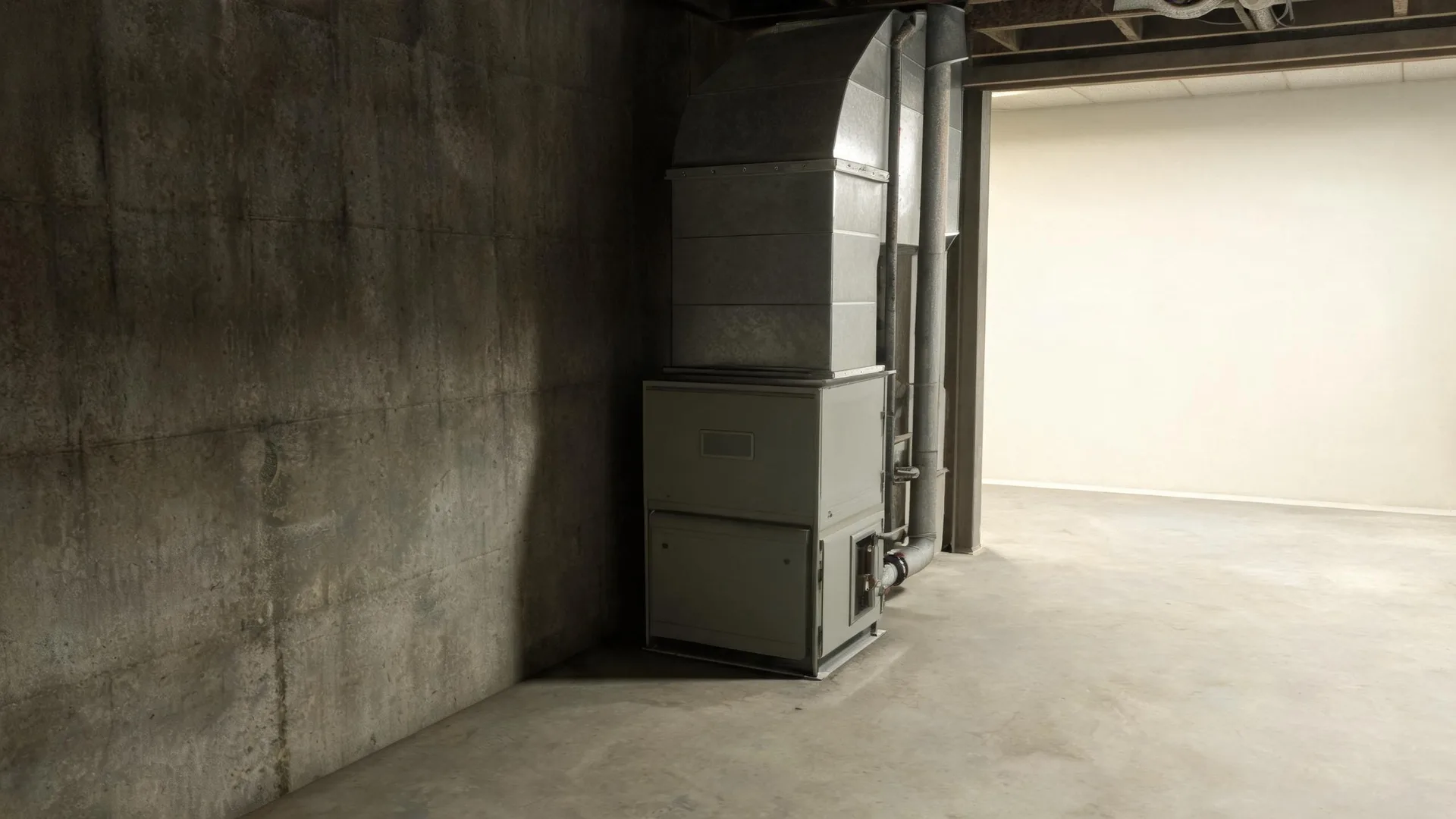
The furnace itself sits in a mechanical room, basement, or utility closet and is the unit that produces heat for the house. A burner assembly inside it burns fuel, and a heat exchanger transfers that warmth to the air that moves through the home. The flue pipe runs from the furnace to an exterior wall or roofline and carries combustion gases out.
The blower motor sits inside the furnace cabinet and pushes conditioned air out through the supply side of the duct system, then pulls return air back in. A thermostat mounts on an interior wall and is the control point that tells the furnace when to fire and when to stop. The filter housing sits at the return-air intake, right where air enters the unit.
The drawing shows a representative layout, and a licensed contractor determines exactly what applies to this house.
Find a contractor in Mountrail CountyMountrail County, by the numbers
142 severe weather events were recorded in Mountrail County, North Dakota between 2015 and 2024.
NOAA National Centers for Environmental Information, Storm Events Database, bulk CSV export, events 2015-01-01 through 2024-12-31.Half the homes in Mountrail County, North Dakota were built in 1997 or earlier (2020-2024 ACS 5-year).
U.S. Census Bureau, 2020-2024 American Community Survey 5-Year EstimatesMountrail County, North Dakota holds 5,099 housing units (2020-2024 ACS 5-year).
U.S. Census Bureau, 2020-2024 American Community Survey 5-Year EstimatesOwners occupy 61.5% of the occupied homes in Mountrail County, North Dakota (2020-2024 ACS 5-year).
U.S. Census Bureau, 2020-2024 American Community Survey 5-Year EstimatesFurnace Installation Rules for Mountrail County, North Dakota5 codes, standards, and licensing rules
What the Installation Actually Looks Like
Non-weatherized gas furnaces manufactured on or after November 19, 2015 must reach 80.0 percent AFUE.
Non-weatherized oil-fired furnaces manufactured on or after November 19, 2015 must reach 83.0 percent AFUE.
Mobile home gas furnaces manufactured on or after November 19, 2015 must reach 80.0 percent AFUE.
Non-weatherized gas furnaces manufactured on or after December 18, 2028 must reach 95.0 percent AFUE, up from the 80.0 percent minimum that applies to units manufactured before that date.
Licensing and Legal Requirements in Mountrail County, North Dakota
North Dakota requires a contractor licence once the cost, value or price of a job exceeds four thousand dollars, and an unlicensed contractor may not bring a claim or a lawsuit in a North Dakota court over the work.
Severe Weather Events in Mountrail County
Extreme weather puts real stress on heating equipment, and furnaces in Mountrail County work against whatever the local climate delivers. A furnace sized and installed for this area has to hold up where conditions here demand it.
142 severe weather events, 2015–2024. Source: NOAA National Centers for Environmental Information, Storm Events Database.