Tell us about the job
Takes about a minute. No obligation.
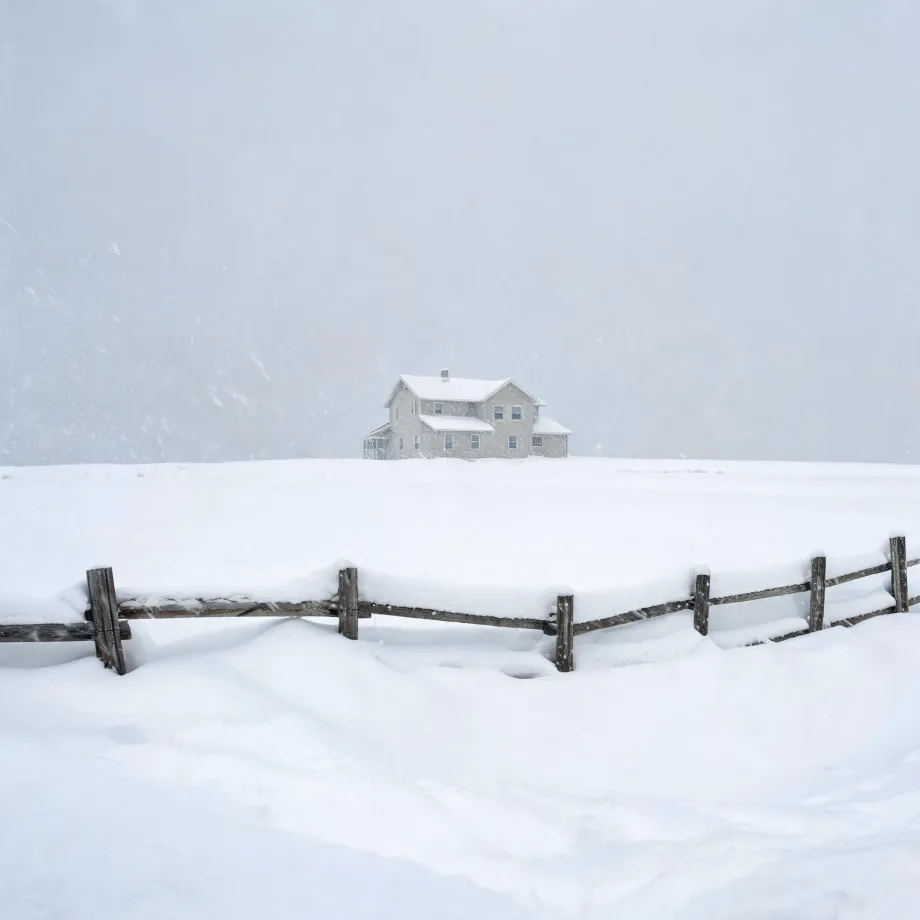
Sizing a furnace for a Stutsman County home is not a guess a contractor can correct later. Homes in Stutsman County, ND run heat about nine months a year, from September through May. The burner, heat exchanger, and ignition system cycle through that load without a long summer pause to mask a marginal install. A unit running undersized works harder each call, and the heat exchanger carries the cost of that over years of back-to-back seasons. A contractor quoting a new furnace here starts with a full load calculation, because the install has to be right from the first cold night.
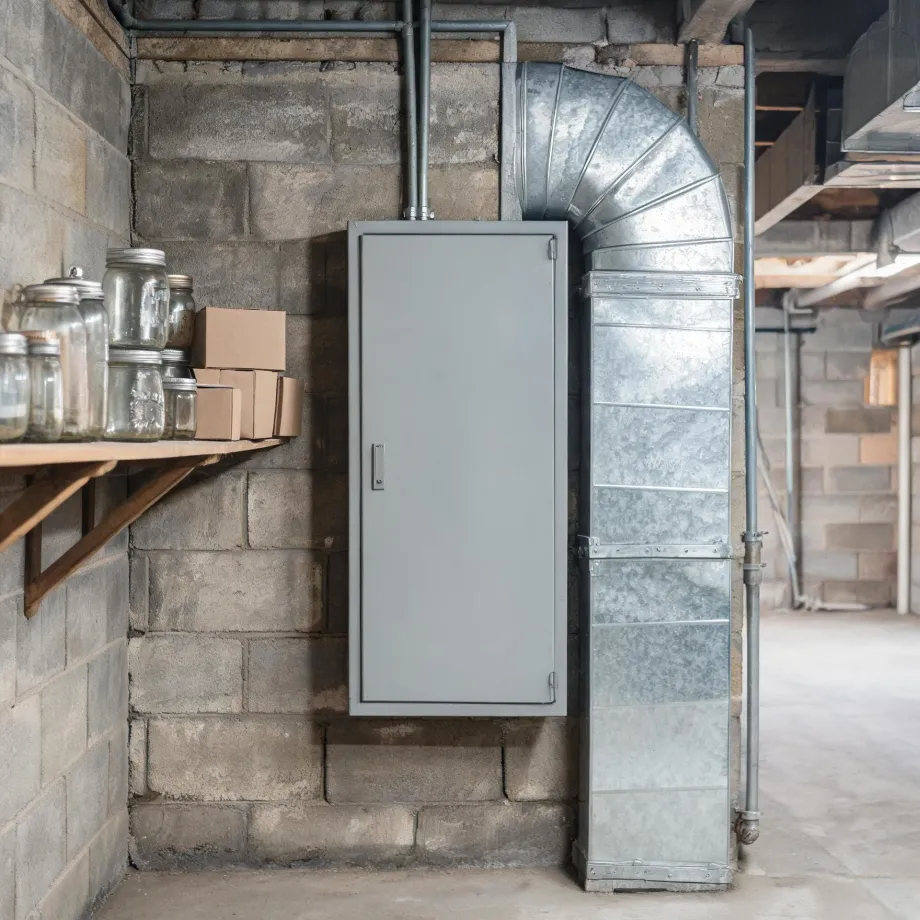
Ductwork sized and routed for a furnace that left the house years ago does not simply accommodate whatever goes in next. A contractor installing a new furnace here has to assess whether the existing runs, returns, and trunk lines will carry what the replacement system needs, and often finds that the layout was never altered when the old equipment was swapped out. Half the homes in Stutsman County, North Dakota were built in 1973 or earlier (2020-2024 ACS 5-year). That means a significant share of the houses a contractor walks into have ductwork whose configuration reflects decisions made for something no longer there. The electrical service gets the same scrutiny, since the load a modern furnace draws is not always what the original wiring was planned around.
What Gets Installed With a New Furnace
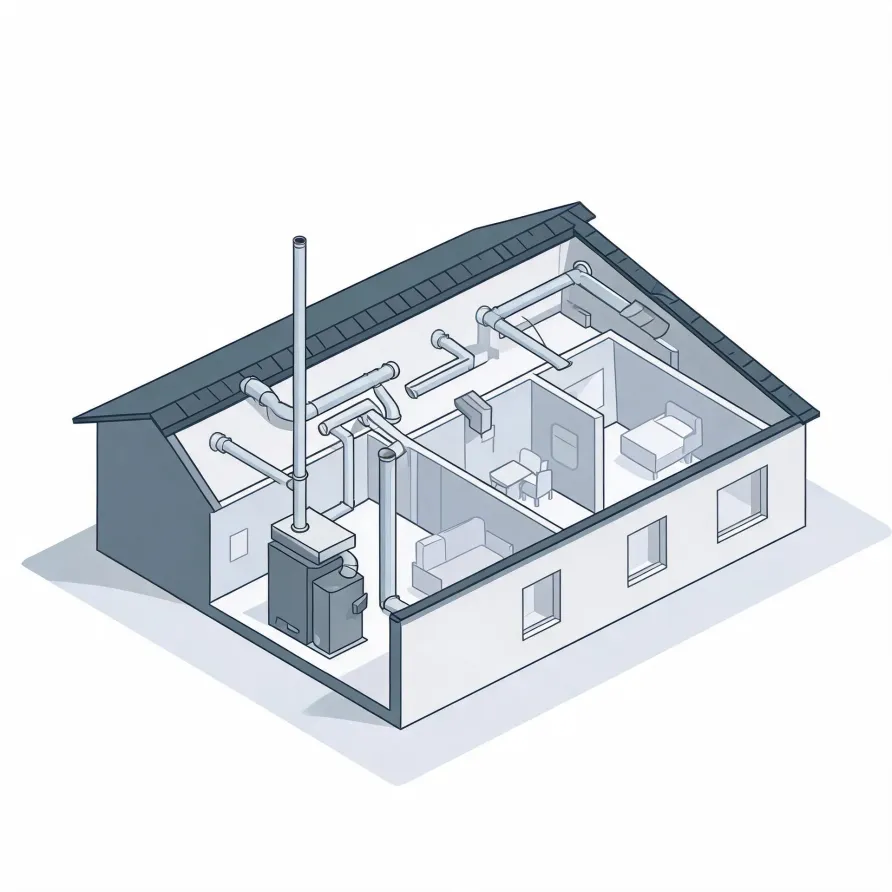
The furnace itself sits in the basement, utility room, or mechanical closet and is the unit a homeowner would walk up to and recognize. Inside it, a heat exchanger warms the air that moves through the home, and a blower motor pushes that air into the supply side of the duct system.
The flue pipe runs from the furnace to an exterior wall or up through the roof, carrying combustion gases out of the house. Alongside the furnace, a thermostat mounts on an interior wall and serves as the control point, telling the system when to fire and when to stop.
The drawing shows a typical layout, and a licensed contractor determines exactly what applies to your house.
Find a contractor in Stutsman CountyStutsman County, by the numbers
182 severe weather events were recorded in Stutsman County, North Dakota between 2015 and 2024.
NOAA National Centers for Environmental Information, Storm Events Database, bulk CSV export, events 2015-01-01 through 2024-12-31.Half the homes in Stutsman County, North Dakota were built in 1973 or earlier (2020-2024 ACS 5-year).
U.S. Census Bureau, 2020-2024 American Community Survey 5-Year EstimatesStutsman County, North Dakota holds 10,413 housing units (2020-2024 ACS 5-year).
U.S. Census Bureau, 2020-2024 American Community Survey 5-Year EstimatesOwners occupy 63.1% of the occupied homes in Stutsman County, North Dakota (2020-2024 ACS 5-year).
U.S. Census Bureau, 2020-2024 American Community Survey 5-Year EstimatesCodes & Standards Governing Furnace Installation in Stutsman County, North Dakota5 sourced rules and standards
What the Installation Looks Like
Non-weatherized gas furnaces manufactured on or after November 19, 2015 must reach 80.0 percent AFUE.
Non-weatherized oil-fired furnaces manufactured on or after November 19, 2015 must reach 83.0 percent AFUE.
Mobile home gas furnaces manufactured on or after November 19, 2015 must reach 80.0 percent AFUE.
Non-weatherized gas furnaces manufactured on or after December 18, 2028 must reach 95.0 percent AFUE, up from the 80.0 percent minimum that applies to units manufactured before that date.
Licensing Rules for HVAC Work in Stutsman County, North Dakota
North Dakota requires a contractor licence once the cost, value or price of a job exceeds four thousand dollars, and an unlicensed contractor may not bring a claim or a lawsuit in a North Dakota court over the work.
Severe Weather Events in Stutsman County
Weather puts real demands on a furnace. The harder a heating system has to work through whatever a North Dakota winter delivers, the more that installation quality and equipment sizing matter from day one.
182 severe weather events, 2015–2024. Source: NOAA National Centers for Environmental Information, Storm Events Database.