
Why your furnace won't shut off in North Dakota

Step 1 of 3: Equipment

Why won't my furnace shut off in North Dakota?

A furnace that keeps running past the point where the house feels warm enough usually means something, or someone, is telling it to keep going. When it's well below zero outside and the furnace won't stop, it's natural to worry it's stuck or about to fail. Most of the time it's doing exactly what it was told to do, by a part that's stuck in the "on" position.

A stuck relay or a thermostat that thinks it's colder than it is

Most often the blower relay or the gas valve relay has welded shut, so the furnace keeps firing even after the thermostat stops asking for heat. It can also be the thermostat itself, giving a bad reading or wired wrong, so it never tells the furnace to stop. A cracked heat exchanger can do it too, tripping a limit switch that forces the blower to keep running. With North Dakota winters pushing well below zero for weeks at a time, a furnace that runs long stretches already works hard. One that won't shut off at all is putting a lot of extra hours on the gas valve and the blower motor, and it's worth having looked at before a part fails outright on a cold night.

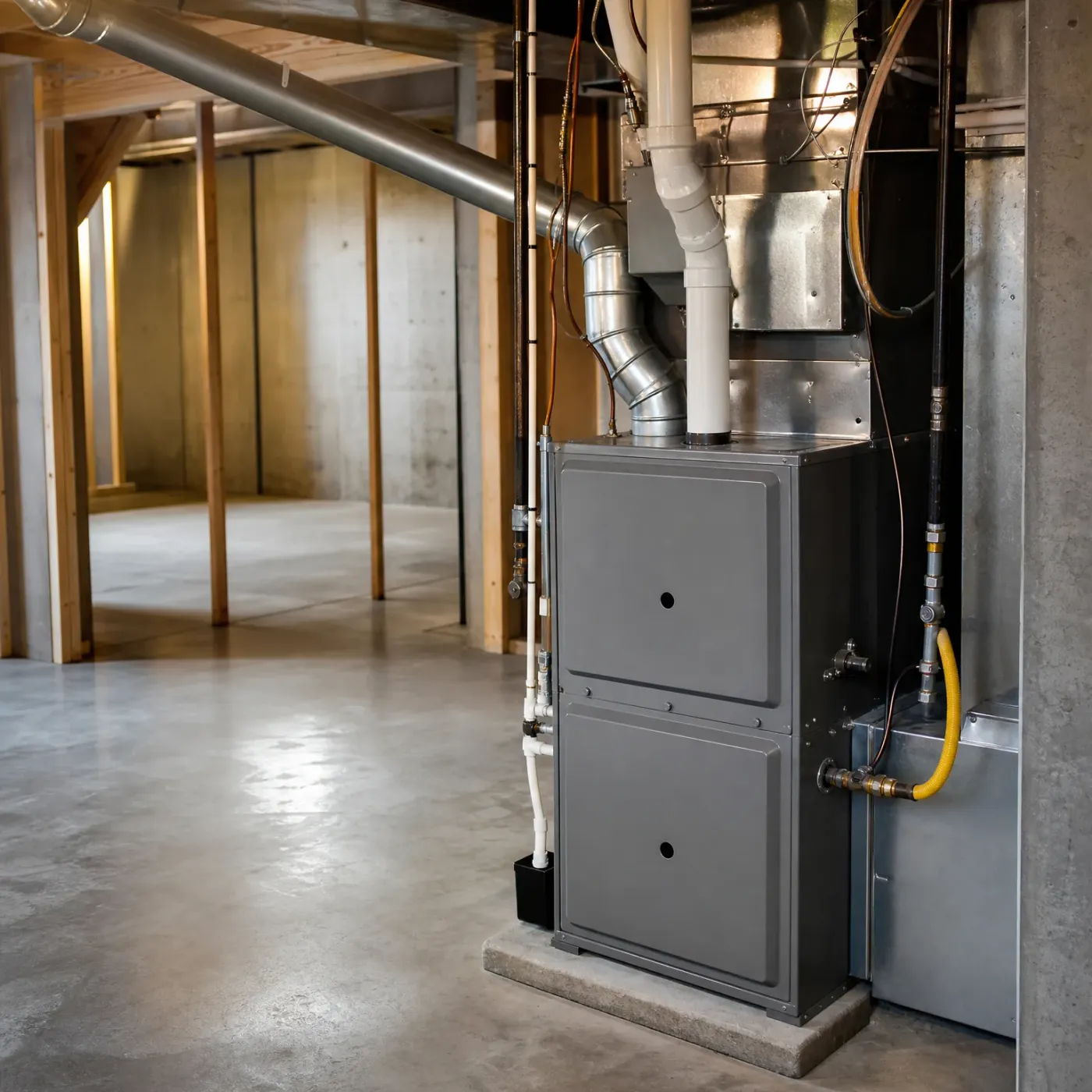
A gray high-efficiency furnace in a basement with white PVC vent pipes, sheet-metal ductwork, copper and black piping, a condensate pump, and insulated walls above a concrete floor.

Running the way it should

The furnace heats, hits the temperature on the thermostat, and shuts off. It cycles again once the house drops a couple degrees. Ductwork stays sealed, the condensate drain clears on its own, and nothing downstairs needs a second look from you.


A beige residential furnace stands on a concrete basement floor beside galvanized sheet-metal ductwork, a round flue pipe, copper gas piping, and a PVC condensate line, with a wood-paneled wall at right.

Stuck running

The furnace fires and keeps firing long after the house is warm. Maybe the blower won't stop, or it short cycles and starts right back up. A thermostat out of calibration, a stuck relay, or a dirty flame sensor can all cause this, and on a cold North Dakota night it's worth getting checked.

Is it the thermostat or the furnace

Thermostat problem

  • A thermostat set to "on" instead of "auto" keeps the fan running even after the burners shut off.
  • Wiring that's loose behind the thermostat can tell the furnace it hasn't reached temperature yet, so it keeps firing.
  • A thermostat mounted near a cold wall or a draft can read the room wrong and call for heat long after the house is warm.
  • An old mechanical thermostat with a stuck switch won't break the circuit the way it's supposed to.
  • Replacing or resetting the thermostat is usually quick, and it costs far less than a furnace repair.

Furnace problem

  • A cracked heat exchanger or a failing limit switch can keep the furnace locked in a heating cycle it should have ended.
  • A blower motor that won't shut off on its own command points to a relay or control board issue inside the furnace.
  • A furnace that runs nonstop in weather well below zero may be undersized or struggling to keep up, not malfunctioning.
  • A dirty flame sensor or a stuck gas valve can keep the burners lit past where the thermostat is satisfied.
  • This kind of problem needs a technician who works on furnaces through North Dakota winters and knows which part usually fails first.
A woman with long light-brown hair in a gray knit sweater sits in a living room looking off to the side, with a sectional sofa, houseplant, lamp, wooden table and large windows behind her.
A woman in a chunky gray turtleneck sweater sits indoors looking off to the side, with a blurred dining table, chairs, pendant lamp and window behind her.
A woman in a cream knit sweater with her hair in a bun stands near a window, looking off to the side, with a gray sofa, houseplant and open kitchen with pendant lights blurred behind her.
A woman with long brown hair in a cream knit sweater stands near a window, looking to the side, with a white sofa, shelving, and a hallway visible behind her.
A gray high-efficiency furnace stands on a concrete basement floor beside galvanized sheet-metal ductwork, white PVC vent pipes, copper and black piping, and unfinished wood stud framing.
A furnace cycling normally, burners firing, hitting the set temperature, then shutting off until the house calls for heat again.
A gray furnace with two access panels stands on a concrete basement floor beside sheet-metal ductwork, with pipes, flexible conduit and an electrical box on the concrete wall to the left.
A furnace stuck running, burners still lit long after the house is warm, with no sign of stopping on its own.

What's actually controlling shutoff

  • A limit switch reads the air inside the furnace cabinet and keeps the burners running until that air cools to a set point.
  • A dirty filter or blocked return cuts airflow, so the cabinet runs hotter and the limit switch never tells the burners to stop.
  • The blower relay is a separate circuit from the gas valve, so a stuck relay can leave the fan on after the burners have already shut off.
  • A cracked heat exchanger can trick the limit switch into reading cooler air than what's actually in the cabinet, delaying shutoff.
  • The flame sensor has nothing to do with shutoff. It only proves a flame is present, so a bad one won't cause this.
  • Furnaces built with a fixed fan-off delay will run the blower three to five minutes past burner shutoff by design, which isn't a malfunction.

The furnace doesn't know how warm your house is while it's running. It only knows two things: what the thermostat asked for, and how hot the air inside its own cabinet has gotten. The limit switch watches that cabinet air, and it's the one that tells the burners to quit, not the thermostat directly. As long as that switch reads air cooler than its set point, the burners stay lit, even if your living room passed 72 degrees ten minutes ago.

That's why airflow matters more than people think. A filter clogged enough to choke the return starves the cabinet of the cool house air it needs to bring that temperature down. The burners keep firing, the cabinet keeps heating, and the limit switch waits on a number it's never going to see. Swap the filter and sometimes the furnace shuts off within the hour.

Worth knowing what doesn't cause this. The flame sensor's only job is confirming a flame exists so the gas valve can stay open safely. It has no say over when burners stop, so a failing one won't leave your furnace running.

And some of what looks like malfunction isn't. Most furnaces run the blower a few minutes after the burners shut off, pushing leftover heat out of the cabinet. That's a timer doing its job, not a sign anything's wrong.

A beige gas furnace with a metal flue pipe stands in a basement against concrete block walls, beside sheet-metal ductwork, copper and white plastic pipes, and a water heater at right.
Before you get your furnace repair
A gray high-efficiency furnace with white PVC vent pipes stands beside sheet-metal ductwork and a water heater in an unfinished basement with concrete walls and wood framing.
After you get your furnace repair
A gray gas furnace on a concrete pad in an unfinished basement, connected to sheet-metal ductwork, white PVC venting, and a yellow gas line, with concrete walls and wood framing in the background.

Hand off the search today

The pro who reaches out is licensed in North Dakota.

After this form, you can stop searching for a furnace pro.

Find a licensed pro

It costs nothing to send, and you don't have to hire anyone.

Winter nights average 4°F statewide

At 4°F, a furnace that won't shut off isn't just annoying, it's working against itself. The burners keep firing, the cabinet stays hot, and the limit switch never gets the signal to stop, even as the house holds steady or overheats.

NOAA nClimDiv 1991-2020 county normals weighted by homes

What a stuck relay does

The thermostat sends a low voltage signal to the furnace's control board, and a relay on that board switches the power that runs the burners and blower. When that relay sticks closed, the board never gets the signal to cut power, even after the thermostat stops calling for heat. The furnace has no way to know the room is warm enough. This is a different failure than a bad limit switch. A limit switch problem comes from heat building up inside the cabinet. A stuck relay is an electrical fault on the board itself, and it keeps the burners fed with power whether the cabinet is hot or not.

Why gas furnaces run long here

Most homes in North Dakota heat with gas, and a gas furnace produces more heat per cycle than electric resistance heat does. That means a stuck-on gas furnace raises the cabinet temperature and the house temperature faster than a smaller electric unit would. With power cheap here, the furnace isn't being left on to save a few cents. It's running because a part failed and nothing is telling it to stop. A furnace that won't shut off when it's well below zero outside is drawing gas the whole time it runs, and that's a cost separate from whatever the repair itself costs.

A woman and a child wrapped together in a thick knitted blanket on a sofa, both with eyes closed, with a lit table lamp and houseplant in the dim background.
A smiling older woman with gray hair in a cream knit sweater stands in a dimly lit kitchen beside a window showing snow outside, with a round loaf of bread on the counter in the foreground.

What you're probably noticing right now

The thermostat shows the house hit temperature a while ago, but the furnace is still running. You can hear the blower going in rooms that already feel warm, sometimes too warm. Touch a supply vent and the air coming out stays hot long after it should have leveled off. Some homes get an odd smell near the furnace cabinet, or the closet it sits in feels warmer than usual. Left alone through a cold stretch, this runs up gas use for no benefit, and a furnace that won't stop on its own is a furnace one part away from not starting at all. If anyone in the house depends on steady heat, that's the part worth paying attention to.

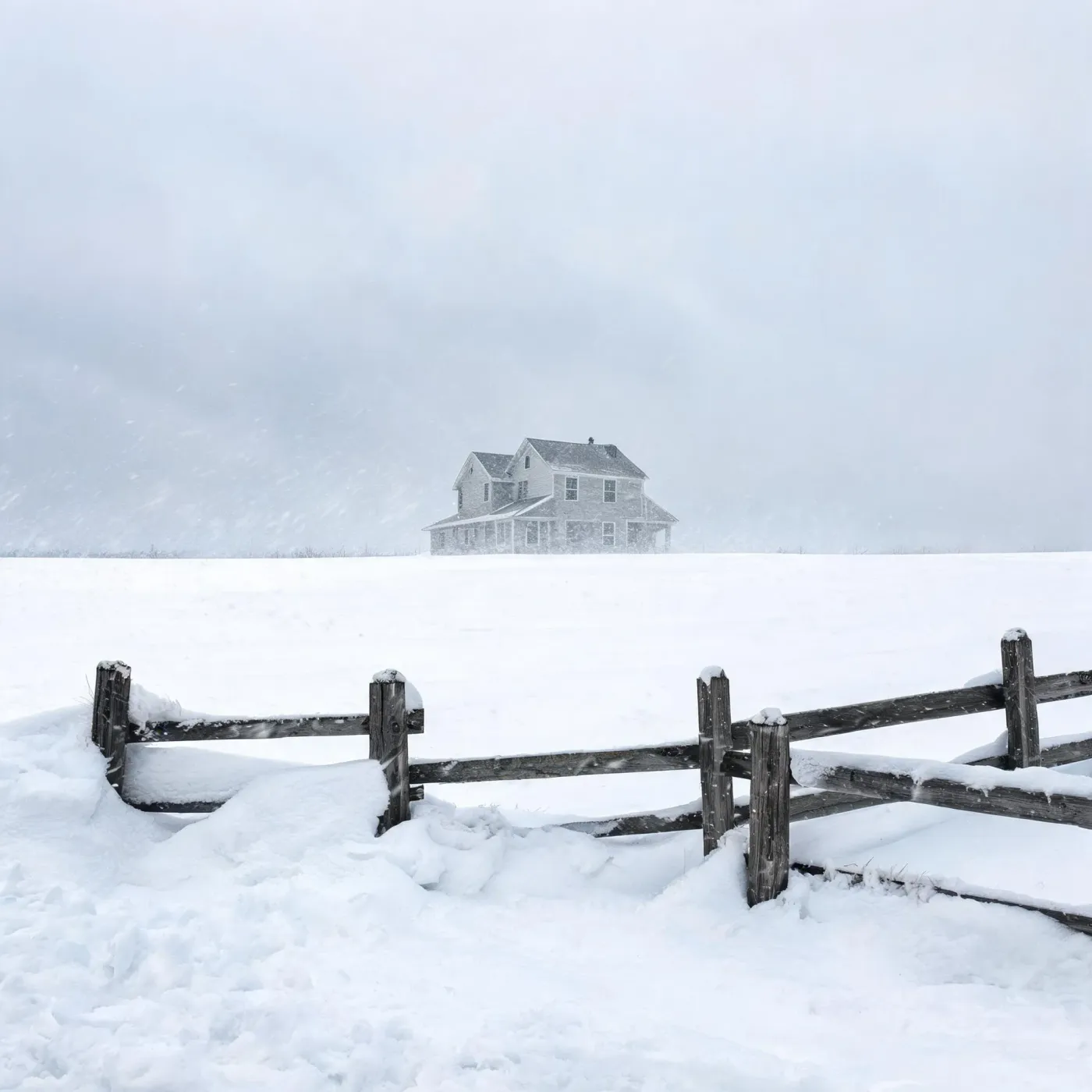
A two-story house with a porch stands alone on a snow-covered field during falling snow, with a weathered wooden split-rail fence partly buried in drifts in the foreground.

Winter nights across North Dakota average 4°F, according to NOAA. At that temperature a furnace that won't shut off isn't coasting through a mild stretch, it's fighting a real load for hours at a stretch. The burners stay lit, the cabinet stays hot, and the blower keeps pushing air long after the house is warm enough. You'll notice it as a house that runs warmer than the thermostat setting, vents that stay hot to the touch, and a furnace that sounds like it never takes a break overnight. With cold like this outside, there's no gap in the heat call for a stuck limit switch or relay to show itself on its own. It just keeps running.

NOAA nClimDiv 1991-2020 county normals weighted by homes

A furnace that won't shut off comes down to a few things: a thermostat set wrong or wired loose, a stuck relay on the control board, or a limit switch that never gets told the cabinet has cooled. Each one points to a different fix, but none of them get better on their own, and a furnace running nonstop in a North Dakota winter is working harder than it should for longer than it should. Someone who works on furnaces all winter here has seen this exact problem before and usually knows within a few minutes which of the three it is. That's who gets matched to your call, one licensed contractor local to you, not a handful of companies competing for the job. You won't be fielding calls all afternoon trying to sort out who's actually coming. You send the request, and from there it's off your plate.

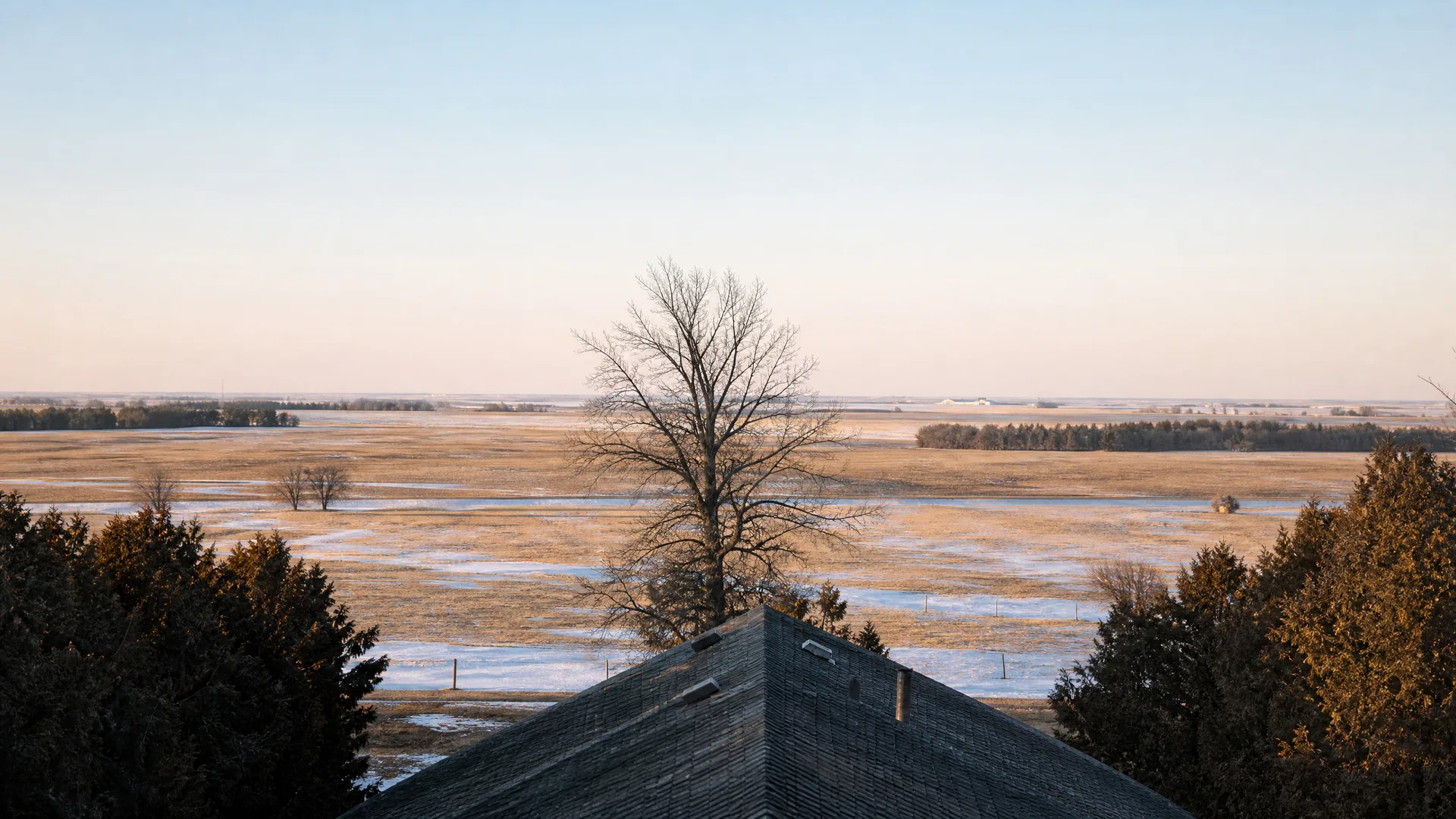
Elevated view over a flat field with patches of snow, a bare deciduous tree at center, evergreen trees at both sides, and the shingled ridge of a roof in the foreground under a pale sky.

Hand off the furnace problem

Find a local pro

No charge to send it. You decide if you hire them.

A furnace stuck running at 4°F isn't going to sort itself out before morning. Sending the request now gets a local contractor who works on these systems all winter looking at the real cause, the relay, the limit switch, or the thermostat, instead of you guessing at it through another cold night.