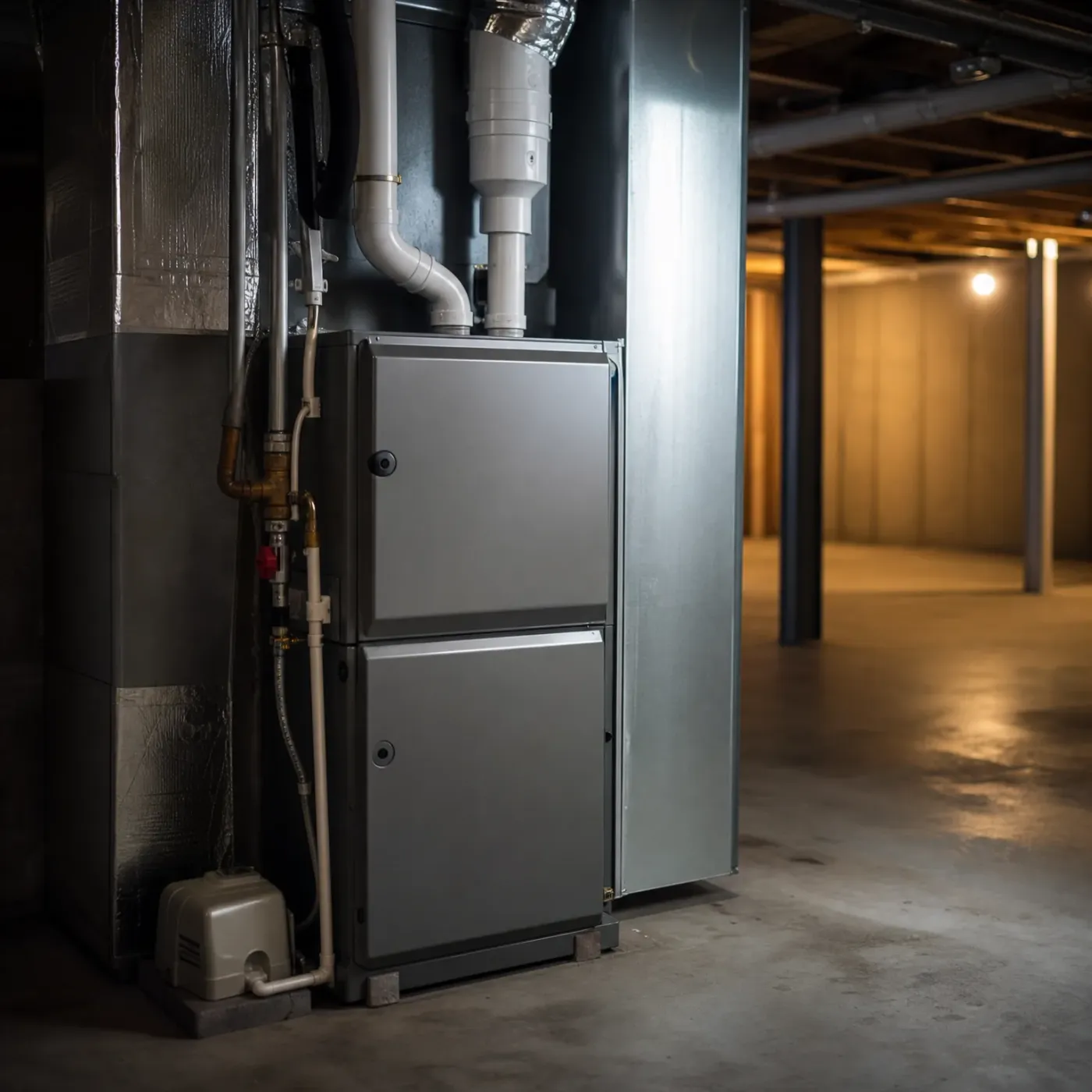
Get the right pro for your furnace
Why your furnace smells like burning in North Dakota
A burning smell from your furnace can mean dust burning off at the start of winter, or it can mean a cracked heat exchanger or wiring that's overheating. This page walks through what's behind it and what to check before you run the furnace again. Skip the search for who's free to look at it: answer a few questions and a contractor who covers your area will reach out.
Find my proA burning smell from your furnace usually means one of two things. If it's the first time you've run the furnace this fall, it's probably just dust that settled on the burners and heat exchanger over the warm months burning off. That smell should fade within an hour or two. If it doesn't fade, or if it shows up again later in the winter after the furnace has been running fine, that's different. A sharp, persistent burning smell can mean wiring near the blower motor or the inducer motor is overheating, or it can mean dust is building up on a part that's running hotter than it should. A smell like hot metal or something electrical means you should shut the furnace off and have it looked at before running it again. With gas heat running most of the day through a North Dakota winter, a furnace that's overheating somewhere isn't a problem that waits well.







What that smell means for your house
You heat with gas, and the furnace is probably going to run for most of the next six or seven months. If the smell you caught tonight is still there tomorrow, or it comes back after the first hour, that's not a furnace warming up. That's a furnace you're going to be running, every day, with something wrong inside it. A cracked heat exchanger can let exhaust mix into the air moving through your house. Wiring that's overheating doesn't fix itself by shutting the furnace off and trying again later.
You already know not to let small problems sit. This one isn't small once it's past the first hour. Finding a contractor who works on furnaces, getting someone on the phone, explaining what you smelled and when, that's the part that eats your evening. Answer a few questions here and a contractor who handles this gets back to you, already knowing what you're dealing with before they show up.

What's actually burning off
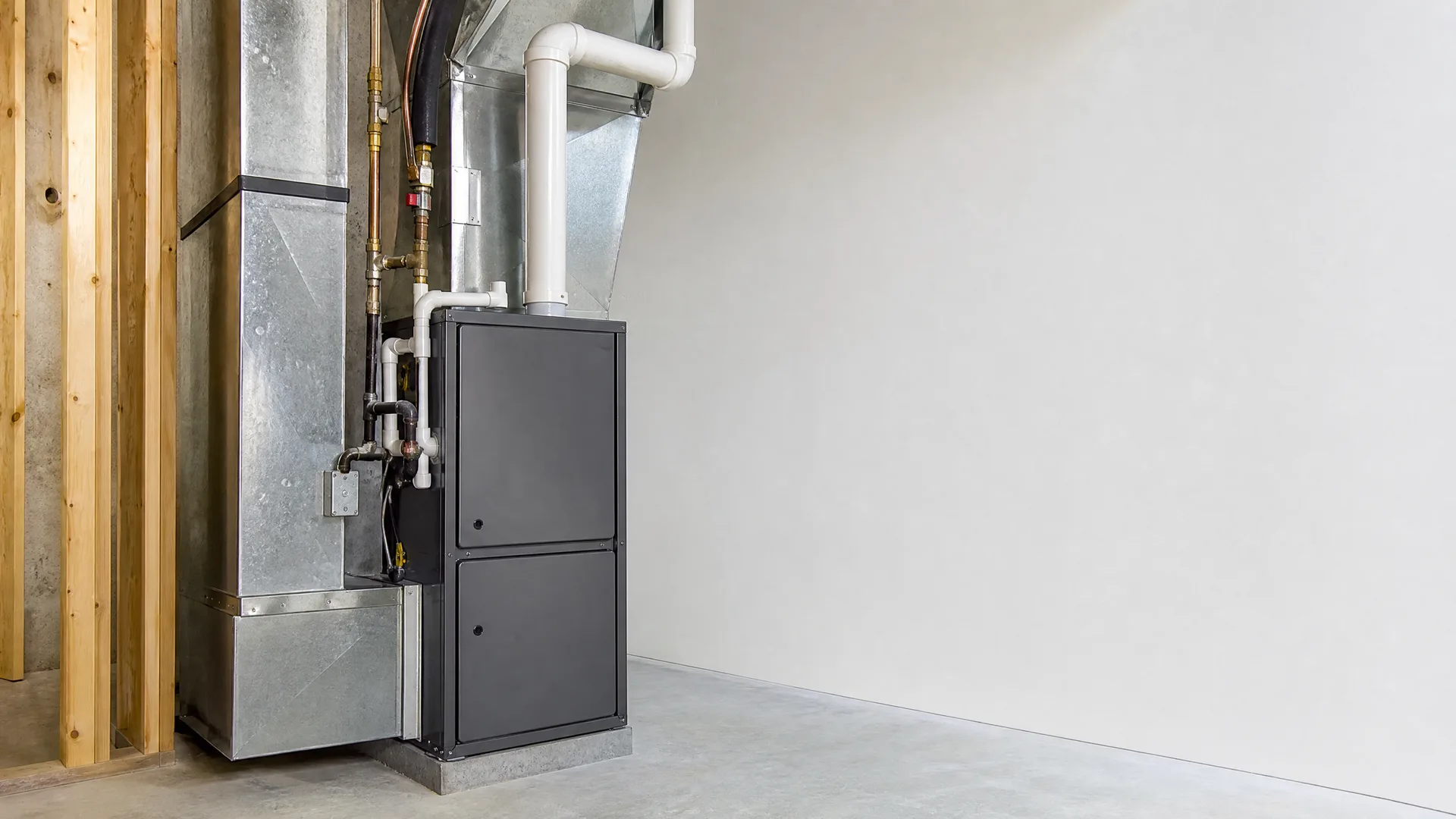
Furnace burners sit idle all summer, and dust settles right on them and on the heat exchanger above. The first time the burners fire, that dust ignites at low heat and gives off a smell close to something smoldering. It's not a flame you'd see, just dust meeting a hot surface for the first few minutes of the burn cycle. Once the surface is clean, the burners keep running the same way for the rest of the season.
Why wiring trouble smells different
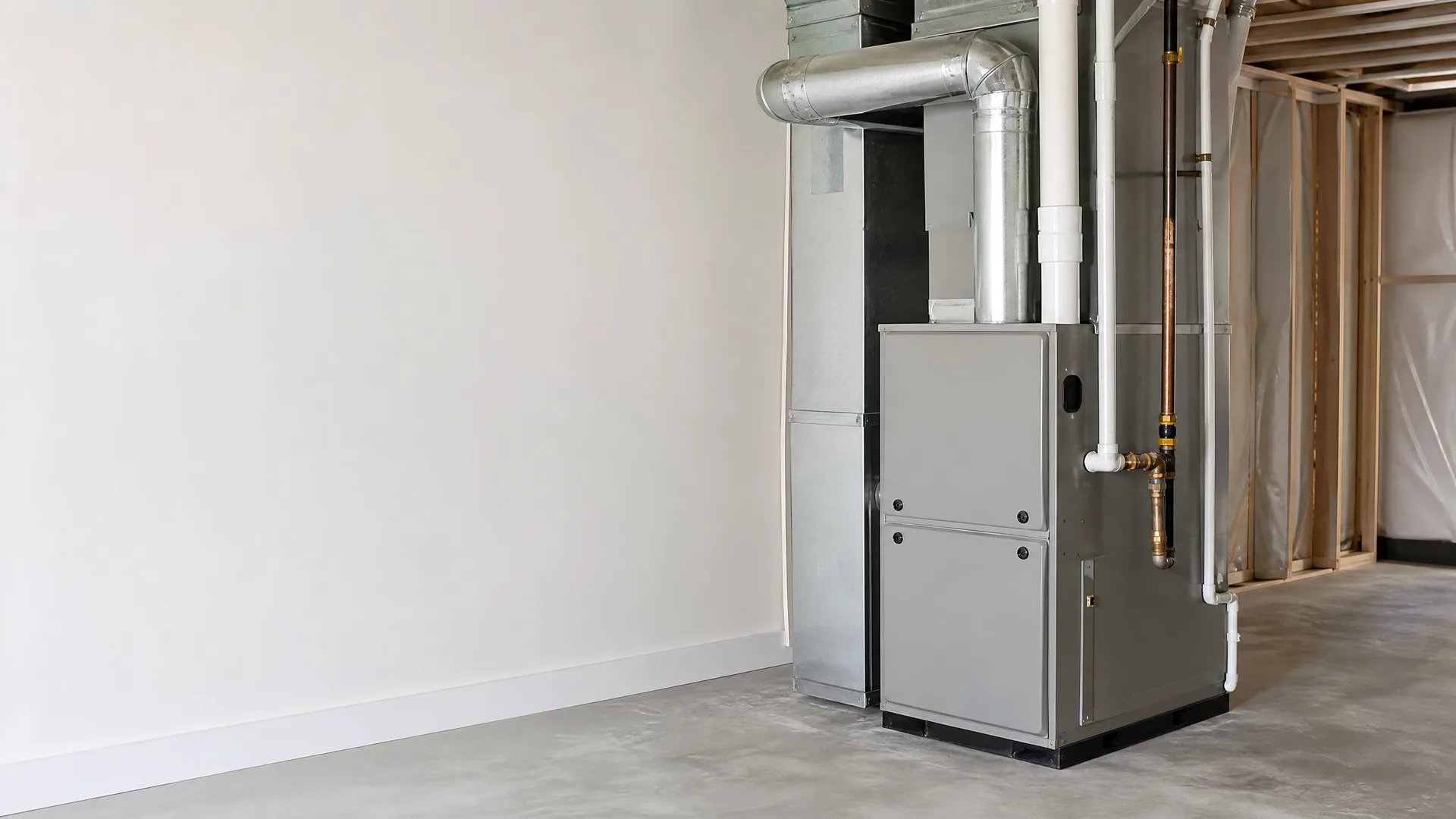
Wiring that's overheating gives off a sharper, more acrid smell, closer to burning plastic than dust. That's the insulation on a wire heating up past what it's rated for, usually at a connection point inside the blower compartment or control board. It doesn't fade the way a dust smell does, and it can show up anytime the blower or igniter cycles on, not just on the first run of the year.
Winter nights average 4°F statewide
At 4 below zero most winter nights, your furnace can't sit idle while you check out a smell. It has to run, and run well. If the burning smell hangs on past that first hour, get it looked at before the next cold night finds you without heat.
NOAA nClimDiv 1991-2020 county normals weighted by homes


A pro who works on furnaces
Describe your furnace job once, to one pro.
You're not committing to anything by asking.
Where this leaves you
- A burn-off smell on the season's first run fades inside an hour and the furnace heats evenly afterward.
- A smell that lingers past an hour, or comes with soot or weak heat, points to wiring or a cracked heat exchanger.
- Your furnace runs most nights from now through spring, so a wiring or exchanger problem won't fix itself by waiting.
- A contractor can check the burners, the exchanger, and the wiring in one visit instead of you guessing which one it is.
- Matching with a contractor means you skip calling around and repeating the same description of the smell to each one.
- Once you're matched, comparing quotes and sorting through unfamiliar names is no longer on you.
First run of the season, a burning smell, and now you know what to do with it. Give it an hour. If it fades and the furnace is heating evenly room to room, that was dust on the burners and the heat exchanger, and you're done with it. If it's still there after an hour, or it comes back, or you're noticing soot near the vents or heat that isn't keeping up, that's wiring or the heat exchanger, and it needs someone who can look at the furnace directly rather than guess from a smell alone.
Your furnace is going to run most nights from now into spring. That's the part that makes waiting a bad bet. A problem that's electrical or in the exchanger doesn't go away because the weather's mild for a few days, and a below-zero night isn't when you want to find out it got worse.
You don't have to spend an evening searching for a furnace contractor, calling a few, and explaining the same smell three times over before you can even compare what they'd charge. Answer a few questions about what you're dealing with, and a contractor who handles this in North Dakota reaches out to you directly. One description, one call back, and you're talking to someone who can actually check the burners, the wiring, and the exchanger instead of you sorting through names you don't recognize.

Furnace Repair
Get your furnace to the right pro

- A local pro who knows furnaces gets your details and gets in touch.
- Describe your furnace job, and a local pro who handles it gets in touch.

- Once you send the form, finding a pro is off your list.
- After you send the request, you're done searching.

- Explain the job once and skip repeating it on every call.
- Skip searching for a furnace pro and answer a few questions instead.

- Your request stays with one local pro.
- Your request goes to one pro, not a list of companies.