Profile view of a bearded man wearing a dark baseball cap and a dark gray T-shirt against a plain off-white background.

Signs your furnace won't last a North Dakota winter

Step 1 of 3: Equipment

A furnace that won't make it through a North Dakota winter usually tells you first with short cycling, where it fires up, runs a few minutes, and shuts off before the house warms. That happens when the heat exchanger is cracked or the blower can't move enough air, and the unit shuts itself down to protect against overheating. Other signs are a burner flame that's yellow instead of blue, a furnace that runs almost constantly once it gets below zero outside, or a thermostat set at 70 while rooms stay in the 60s. Rattling, a burning smell on startup, or a pilot and igniter that keep failing are also telling you the furnace is struggling. None of these mean the furnace is finished, but each one means it's working harder than it should to keep up with a hard winter, and that's when parts fail at the worst possible time, in the middle of a cold snap.


A smiling bearded man in a dark green hooded jacket and blue t-shirt sits on a couch in a living room with shelves, a potted plant, and a bowl of popcorn on a wooden table.
A smiling man in a green long-sleeved shirt sits on a beige sofa in a living room, with a bowl of popcorn in the foreground, a large potted plant and shelving behind him.
A smiling man in a dark blue T-shirt sits on a couch in a dimly lit living room with a bowl of popcorn and a remote on a wooden table, a lit floor lamp and bookshelves behind him, and windows showing greenery.
A smiling bearded man in a dark green long-sleeved shirt sits on a leather couch in a living room, with a bowl of popcorn and a remote control on a wooden table in the foreground.

Most furnace failures don't happen all at once. They show up as a change you can see or smell before the furnace quits outright. A crack in the heat exchanger lets exhaust mix into the air the blower pushes through the house, and the carbon monoxide detector usually catches that before anything else does. Burner flames that have gone yellow instead of blue mean the gas is burning dirty, and that only gets worse once the furnace is running hard against single-digit cold. A blower motor that hums without turning is seizing, and when it finally quits, the furnace can overheat on its own. Soot near the access panel or a burnt smell when it kicks on points to the same thing: something inside running hotter than it should. An igniter that glows but needs a few tries to catch is close to done, and January and February tend to finish it off. If the house won't come back up to temperature after a cold snap no matter how long the furnace runs, the blower or the heat exchanger may already be past keeping up.

What Failure Actually Looks Like

  • A cracked heat exchanger will often set off the carbon monoxide detector before you notice any other symptom, since the crack leaks exhaust into the air stream instead of venting it outside.
  • Yellow burner flames instead of blue mean the gas isn't burning clean, which points to a dirty burner or a venting problem that gets worse as the furnace runs harder below zero.
  • A blower motor that hums but doesn't spin is usually seizing up, and once it quits outright the furnace can overheat and shut itself down on a hard winter night.
  • Soot around the access panel or a burnt smell when the furnace kicks on means something inside is overheating, not just dusty.
  • An igniter that glows but won't light the burners, or takes several tries, is wearing out and tends to fail completely once it's run nonstop through January and February.
  • A furnace that can't recover the house temperature after a cold snap, even running constantly, often has a blower or heat exchanger too far gone to keep up with sustained single-digit cold.
A beige high-efficiency furnace in an unfinished basement, with white PVC vent pipes, a yellow gas line, metal ductwork, and exposed wood framing on a concrete floor.
A furnace running a clean burn cycle keeps even heat moving through the ducts without strain on the blower or the exchanger.
An older beige furnace with two louvered vent panels stands on a concrete basement floor, connected to galvanized ductwork and a metal flue pipe, with gas piping and flexible conduit on the wall behind.
An older furnace with iron gas pipe and a worn flue is more likely to crack or stall when it's forty below outside.
  1. Gas and air mix inside the burner before ignition.

  2. The igniter lights the burner and the flame sensor confirms it.

  3. Heat passes through the heat exchanger into the air stream.

  4. The inducer motor pulls exhaust out through the flue.

Repair or Replace Before Winter

Repair it

  • A cracked heat exchanger means replacement, not repair, since there's no safe way to patch a part that carries combustion gas.
  • A failed igniter or flame sensor is a straightforward swap and doesn't mean the rest of the furnace is in trouble.
  • If the blower motor still moves air well and the cabinet isn't rusted through, the furnace has more life in it.
  • A furnace under fifteen years old that's only showing one bad part is usually worth fixing before December.
  • Pressure switch or inducer motor problems often show up alone, without the short cycling that points to bigger trouble.

Replace it

  • Once the heat exchanger is cracked, the furnace can't be trusted to run again, no matter how well the rest works.
  • A furnace that short cycles even after a new igniter or sensor usually has a problem in the exchanger or the blower itself.
  • Rust around the burner compartment or the flue means the metal is failing, not just one part on it.
  • If you're replacing the same part for the second or third winter in a row, the furnace is telling you it's done.
  • A furnace that can't hold a clean burn through a forty-below stretch isn't one you want to bet January on.
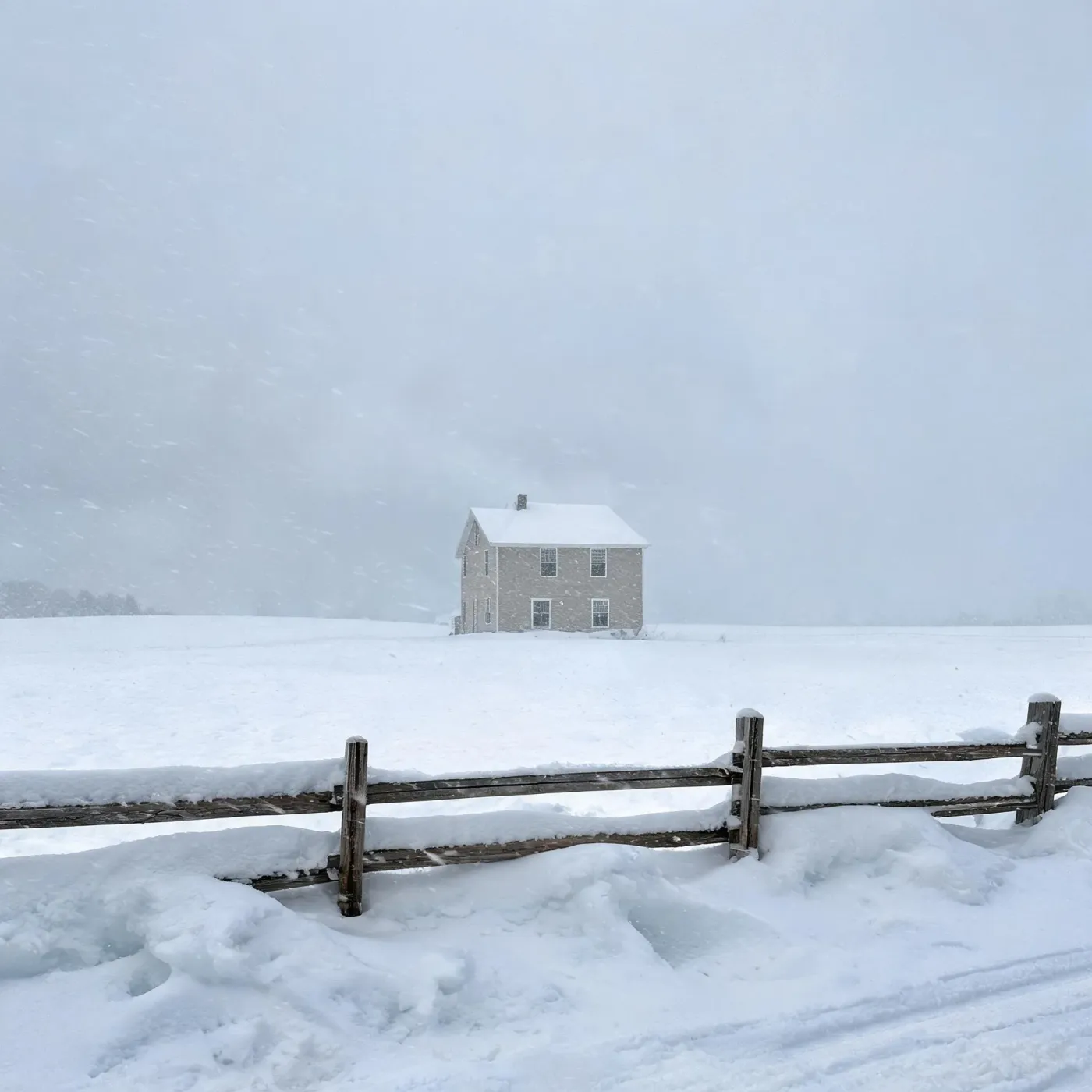
A two-story house with a snow-covered roof and chimney stands alone in a white field during falling snow, with a wooden post-and-rail fence in the foreground.

On a January night here, the temperature averages 4°F statewide, according to NOAA. That's the stretch where a weak furnace stops keeping up. At that cold, the burner has to stay lit far longer to hold the house at temperature, and a furnace with a cracked exchanger or a tired blower starts losing the fight around 2 or 3 in the morning, when the house is coldest and nobody's awake to notice right away. You'll feel it as a house that won't quite get warm, or a thermostat that reads 68 but feels colder near the floor. Once you send in your information, you're done hunting for someone to look at it. A local contractor who works on furnaces all winter in this kind of cold takes it from there.

NOAA nClimDiv 1991-2020 county normals weighted by homes

Send one request and you're done looking

A furnace showing two or three of these signs at once, short cycling and yellow flames, or a cracked exchanger alongside a struggling blower, is telling you it's not going to make it through to spring. At four below and colder, there's no slack left for a furnace that's already working harder than it should. Figuring out which part is failing and whether it's worth fixing takes someone who opens up furnaces like yours all winter long, not a guess made from the thermostat. One local contractor, licensed to work on gas furnaces here, gets your request and takes a look at what's actually happening in your system before anything gets replaced. That beats waiting out a cold snap hoping the furnace holds, or finding out at midnight that it hasn't. Send the details once and let someone who knows these furnaces sort out what's wrong while you're not the one standing in the basement with a flashlight trying to read a flame through the sight glass.

A gray high-efficiency furnace in a basement, connected to sheet-metal ductwork on the left and white PVC vent pipes above, with black gas and drain piping and an exposed wood-stud wall with OSB sheathing on the right.

Running the way it should

This is what a furnace in good shape looks like. The ductwork and gas line connect clean, the exhaust pipe vents straight out the top, and the burner draws air without strain. Nothing here is fighting itself to keep the house warm.

An older gas furnace with two louvered front panels stands on a concrete basement floor beside galvanized sheet-metal ductwork, pipes, and a weathered concrete wall.

Running on borrowed time

Moisture staining on the walls near the unit often means a flue or condensate line that's been struggling for a while. Louvered panels and older piping like this have usually seen enough winters that a hard cold snap finds the weak point first.

Winter nights average 4°F statewide

At 4 below, your furnace can't just hold the house warm, it has to catch up every time a door opens or the sun goes down. A unit already struggling to keep its burn clean has nothing left in reserve on nights like that.

NOAA nClimDiv 1991-2020 county normals weighted by homes

If your furnace has to work through the night without shutting off, a cracked heat exchanger or a dying blower motor has no chance to rest and recover before the next cold stretch hits.

That means the parts already under strain stay under strain, and the first hard cold snap of the winter is usually when a furnace like that finally quits.

A gray sheet-metal furnace with flue pipe and adjacent ductwork stands against a stone basement wall on a concrete floor, with white PVC and metal pipes running nearby.
Before you get your furnace repair
A gray high-efficiency furnace with white PVC vent pipes stands against a concrete basement wall beside sheet-metal ductwork, a small condensate pump on the floor, and exposed wood framing at left.
After you get your furnace repair

What Your Furnace Is Telling You

  • Short cycling, yellow flames, and a cracked heat exchanger rarely show up alone once a furnace is on its way out.
  • A carbon monoxide alarm tripping without an obvious cause often points straight back to a cracked exchanger.
  • A blower that runs constantly through a cold night has no chance to rest before the next below-zero stretch.
  • Two or three of these signs together mean the furnace is unlikely to hold up through a North Dakota winter.
  • A failed igniter or flame sensor alone is a minor repair and not a sign the furnace itself is failing.
  • At 4 below and colder there's no reserve left for a furnace already struggling to keep a clean burn.

One sign alone usually isn't the end of the road. A flame sensor that needs cleaning or an igniter that's quit doesn't mean the furnace underneath is failing, and swapping that part is routine work. The trouble starts when signs stack up. Short cycling alongside yellow burner flames, or a blower that won't shut off paired with a carbon monoxide alarm going off for no clear reason, points to something deeper than a worn part. A cracked heat exchanger is the one that matters most, since it leaks exhaust into the air you breathe and there's no safe repair for it, only replacement. A blower running all night through a cold snap doesn't get the chance to cool down and recover before the next stretch of cold hits, and whatever's already straining in that furnace stays strained. None of this is really about any one night. It's about whether the furnace has anything left in reserve when a January night in North Dakota settles in at 4 below and stays there. A furnace in good shape absorbs that kind of night without drama. One that's already showing two or three of these signs has nothing left to draw on, and the next hard freeze is where it tends to show. If you've noticed more than one of these at once, that's the furnace telling you where it stands, not a guess about where it might be headed.

A woman in a dark gray sweater reclines on a couch with her eyes closed and a knit blanket over her lap, an open book resting face-down in front of her, with a lit table lamp and shelving blurred in the background.
A bearded man in a dark navy sweater over a collared shirt smiles and looks off to the side while seated at a dinner table with a glass of red wine, a lit candle, and a plate of food in the foreground of a dimly lit room.

Finding a pro stops being your job

A furnace showing these signs now won't get easier to live with once it's four below outside. Getting a local contractor out to look at it means someone who works on furnaces all winter here looks at yours specifically and tells you whether it's a part worth fixing or a sign to plan ahead. One contractor, not a handful of calls competing for your attention. Send the request and let finding the right person stop being something you have to manage.

I'm done searching

Your request goes to one pro, not a list of companies.

You only hire the pro if you want to.