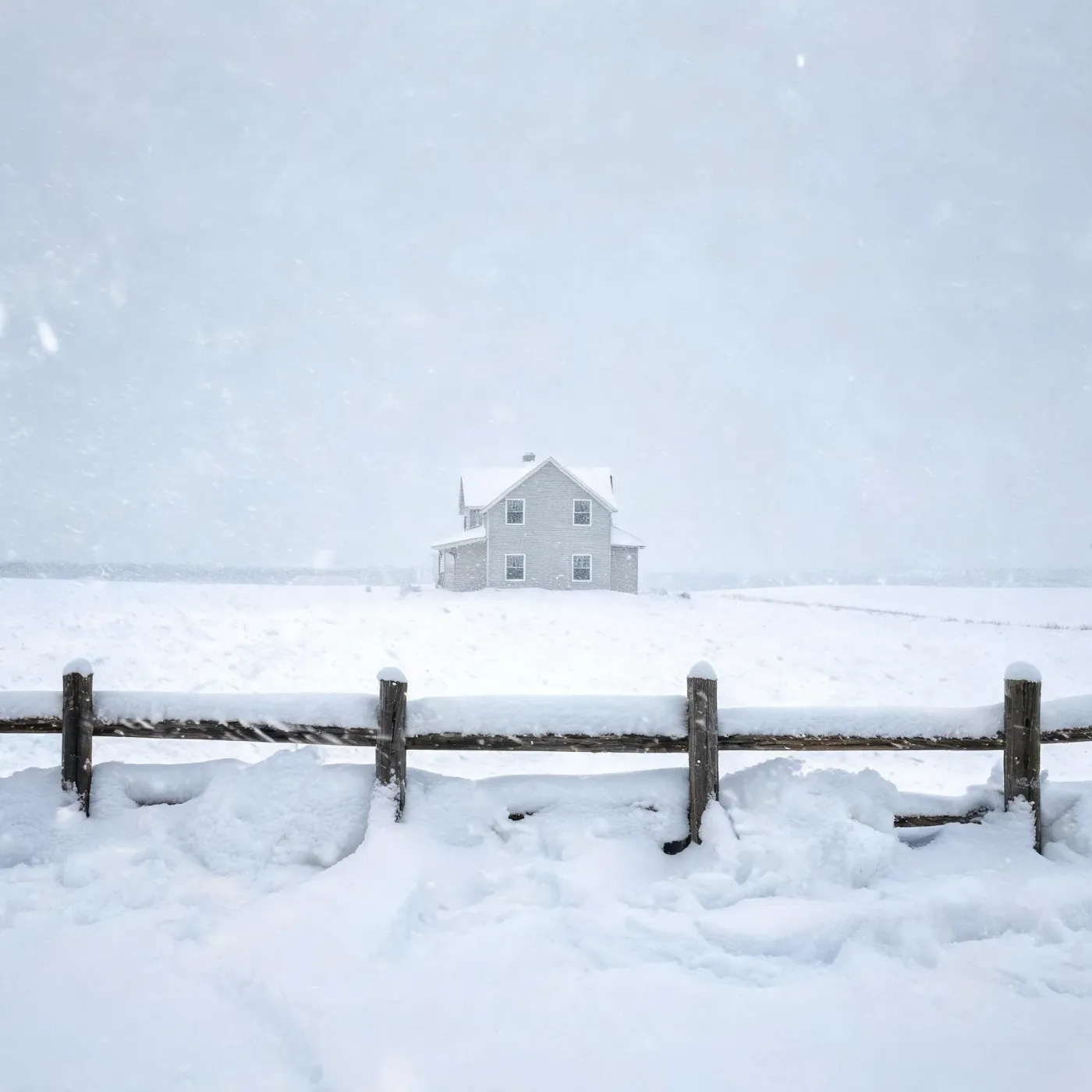
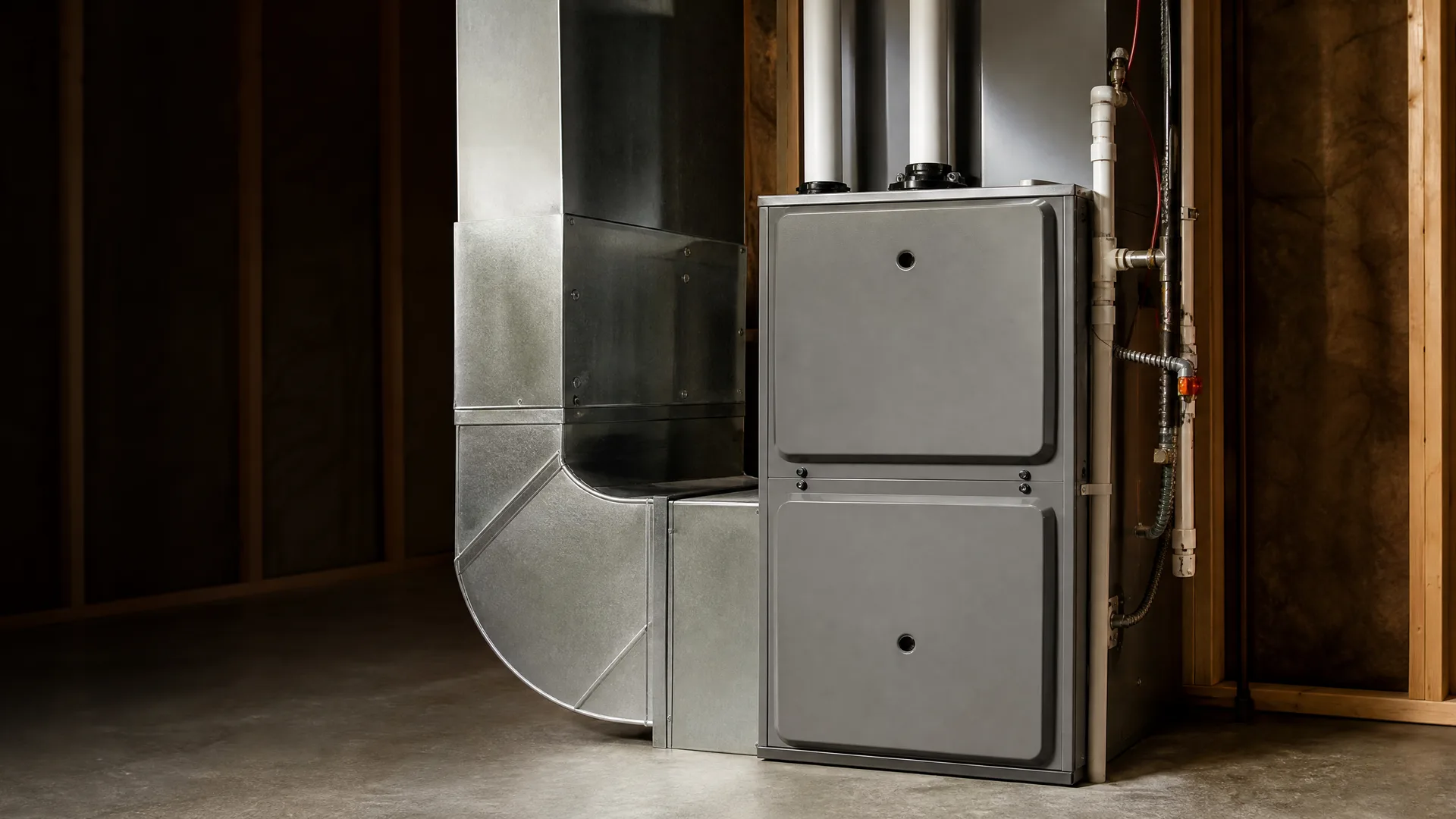
Furnace pilot light keeps going out in North Dakota
Send the request today and stop worrying about who to call.
A pilot that won't stay lit in the middle of a North Dakota winter is not something to leave for later. If your furnace is out when it's well below zero outside, the house starts losing ground fast, and gas heat is how almost every home here stays warm through it.
A pilot going out over and over usually means something specific. A thermocouple that's worn out and no longer holds the gas valve open. A draft finding its way to the flame from a door, a vent, or a chimney that isn't pulling right. Dirt or a buildup of soot on the pilot assembly itself. Each of these needs a different fix, and none of them get better by relighting it again and again.
What you don't need right now is to spend an evening calling around, explaining the same thing to three different shops, and waiting on quotes while your house keeps cooling off. That's the part this page takes off your plate. Fill out the form once and the job of finding someone qualified stops being yours to carry.
North Dakota winters don't leave much room for a furnace to be down for days while you sort out who to call. Once you send the form, that search is done. You're not left checking back, following up, or vetting who's legitimate and who isn't. That work moves off your desk and onto someone else's.
Below, you'll find what's actually behind a pilot light that won't hold, written plainly, so you know what you're dealing with before anyone shows up. But if you'd rather skip straight to getting it looked at, the button above does that.
Why does my furnace pilot light keep going out?
You've relit it two or three times now and it keeps dying on you, sometimes within minutes. Before you call anyone you want to know whether this is something simple on your end or a sign the furnace needs real work, especially with cold weather on the way and not much patience for a furnace that won't hold.
A dirty or failing thermocouple is the most common cause
The thermocouple is the small sensor that sits in the pilot flame and tells the gas valve the flame is lit. When it's coated in soot or wearing out, it reads the flame as out even when it isn't, and the valve shuts the gas off. A draft from a vent or a cracked flue can also blow the pilot out directly, which matters more here once the wind picks up and furnaces run for months straight without a break. Either way, a pilot that won't hold is the furnace telling you something downstream isn't working right, not something to keep relighting through January.
What a weak thermocouple does
The thermocouple sits in the pilot flame and tells the gas valve the flame is lit. Once it wears out, it cools and reports a dead flame even while the pilot is still burning, so the valve shuts the gas off on its own. That is why relighting it works for a few minutes and then fails again. It is not something that gets better on its own, and it is not something you can see wearing down by looking at it.
What draft does to a pilot
A pilot flame can go out from a draft you would never notice standing in the room, a cold air return nearby, a door slamming, wind pushing back down the vent pipe on a hard January night. If the flame goes out only on the coldest, windiest days and stays lit otherwise, that points more toward venting or draft than toward the thermocouple itself, and it changes what a contractor checks first.
Call now or wait it out
Call for repair now
The pilot has gone out more than once this week, which usually means a part is failing, not a draft or a bad relight.
Below zero outside, a furnace that keeps shutting down can let a house lose heat faster than it can catch back up overnight.
A thermocouple or gas valve problem does not fix itself and tends to repeat more often as it gets worse.
Once you send the form, you are done hunting for who to call, explaining the problem twice, or weighing quotes against each other.
If the pilot won't hold a flame even after a clean relight, that points to a part that needs a hand, not patience.
Hold off and watch it
If this is the first time it has happened and the pilot relit and stayed lit, it may have been a one-off draft from a door or a window.
A furnace that's cycled on fine for the rest of the day without issue doesn't necessarily need a service call tonight.
Gas is cheap to run here, but that only matters once the furnace is actually staying lit and heating the house.
Watching it for a day costs you nothing extra if the house is holding temperature and the pilot keeps burning on its own.
If it goes out again within a day or two, that pattern is worth acting on instead of relighting it again and hoping.
You go down to the basement a little after six to check on the noise and the furnace is dark again. Third time today. The house still has some warmth in it but you can feel it's already starting to slide, that edge coming off the air near the vents. Outside it's well below zero and dropping with the sun gone. You crouch by the access panel and there's that faint haze hanging in the light from your phone, dust stirred up off the burner from the last relight. You strike it again, watch the small flame catch and hold, and you stand there a minute waiting to see if it keeps.
A pilot that keeps dying isn't something you want to keep chasing yourself, especially once it's happened three or four times. Every relight means walking down to the basement, kneeling by the burner, holding the knob, timing it right, then waiting to see if it holds this time. If it doesn't, you're back down there again an hour later. That's hours you don't get back, and in a North Dakota winter it's hours the house spends losing heat it has to work to regain. Finding a contractor on your own means the same hassle: searching, calling a few numbers, explaining what the furnace is doing to each one, then waiting on quotes to compare. Sending this form instead means you stop doing that work. One contractor gets your request, looks at what's going on with the pilot and the thermocouple, and takes it from there. You're not stuck relighting a pilot that won't hold while the temperature outside keeps dropping.
Relighting it yourself
Relighting the pilot takes a few minutes and costs nothing, and the first time it happens that's a reasonable thing to do. You hold the gas knob in, light the pilot, wait for the thermocouple to warm up, and let go slow. If it holds, the furnace runs again. But each relight is a guess at what's actually wrong. You can't see inside the gas valve or test the thermocouple's output with your hand and a lighter. If the part behind the outage is wearing out, relighting it buys you an hour or a day, not a fix, and you're back down in the basement again before long.
Having it diagnosed
A contractor can test the thermocouple's millivolt output, check the pilot orifice for a partial clog, and look at the gas valve itself, which isn't something you can safely take apart on your own. That tells you which part is actually failing instead of leaving you to relight and hope. In a North Dakota winter, with the furnace running most hours of the day, a diagnosed and repaired part holds. A relit pilot is only as good as whatever caused it to go out in the first place, and if that's a failing thermocouple or valve, it will go out again on its own schedule, not yours.
A furnace that relights and holds is telling you the pilot system is fine, and whatever caused it was a one-time thing like a draft or a dirty orifice clearing itself.
A furnace that goes out again within a day or two is telling you the opposite. Something in the pilot system is wearing down, and it will keep failing until a contractor replaces it.
Winter nights average 4°F statewide
A 4°F night doesn't give a furnace room for mistakes. When the pilot drops out at that temperature, the house isn't just cooling, it's losing heat about as fast as a North Dakota night can take it.
NOAA nClimDiv 1991-2020 county normals weighted by homes
Furnace running normally
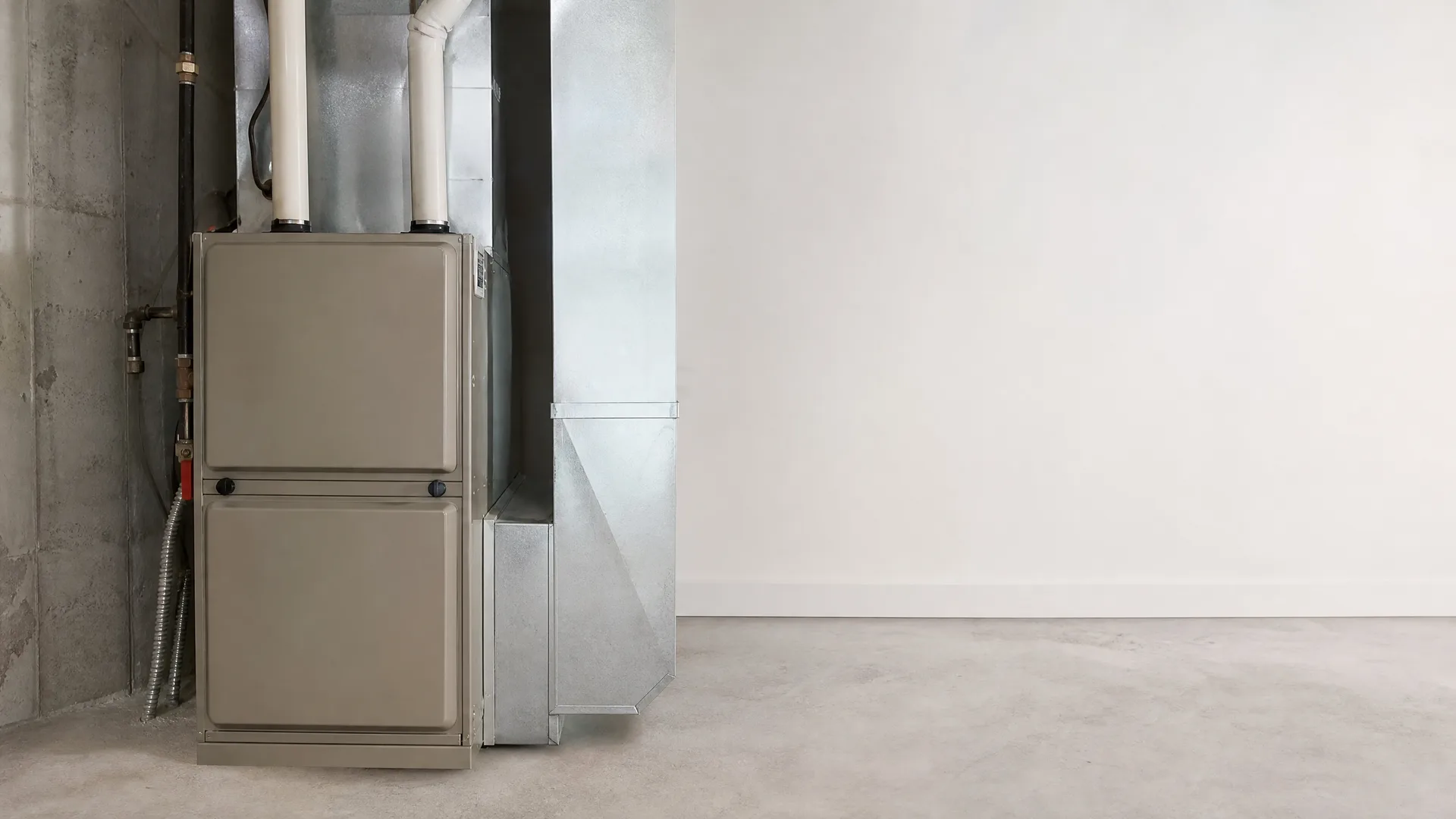
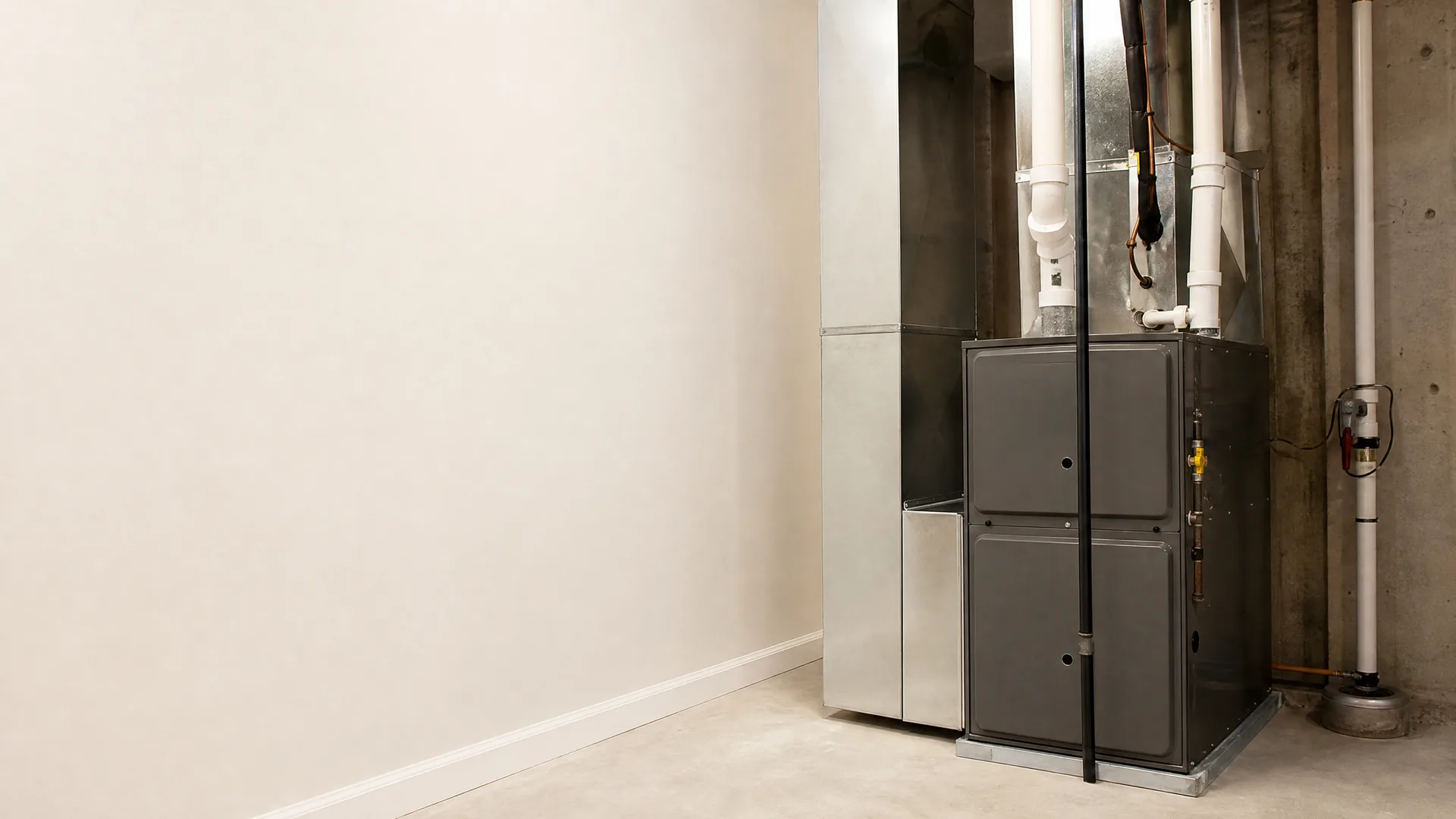
This is what a working pilot system looks like. Gas line feeding the valve, flame steady, thermocouple holding its reading, and the furnace cycling on and off the way it's built to. No relighting, no second-guessing, just warm air moving through the ducts.
Furnace in trouble
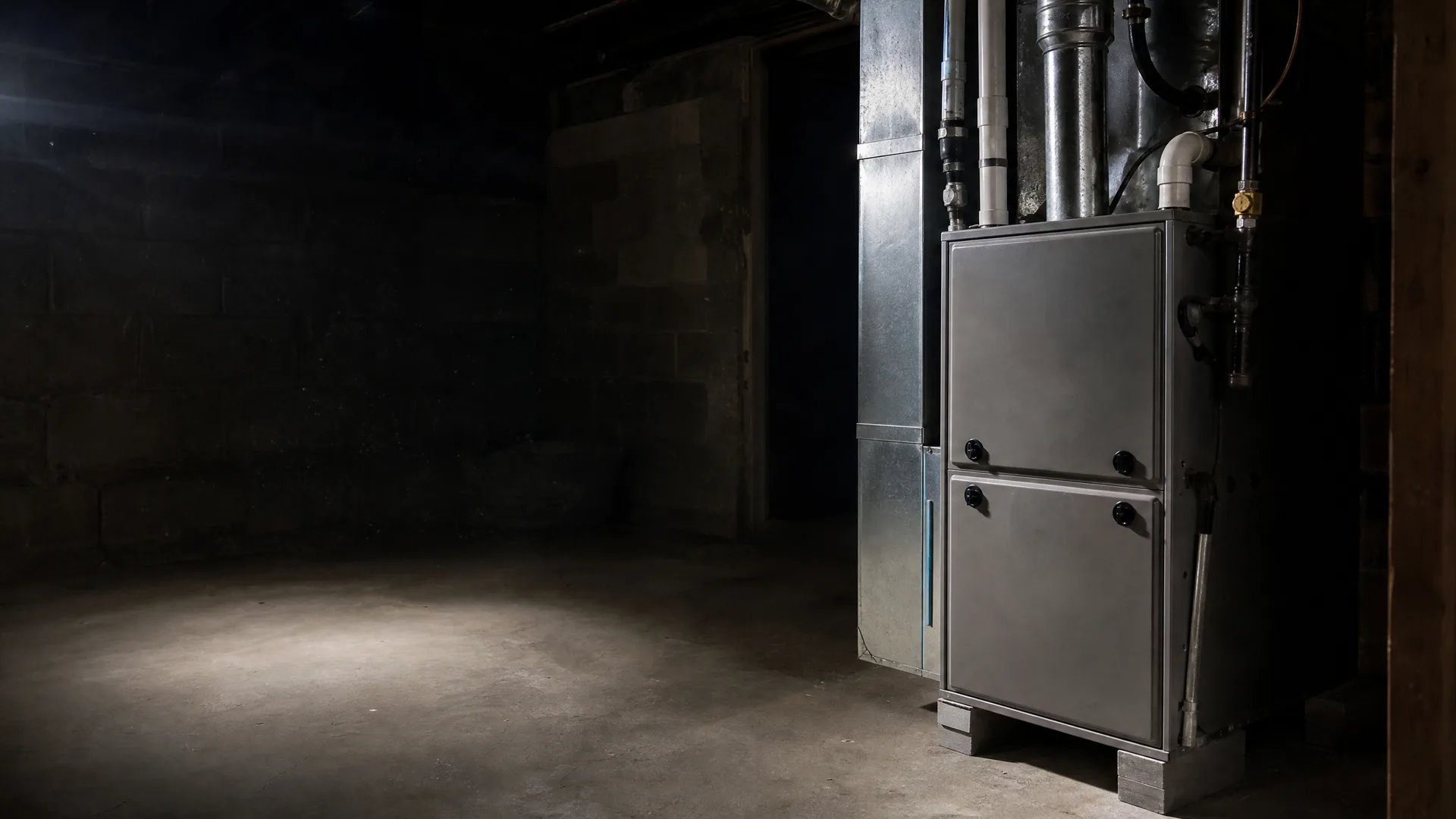
An older unit like this has had more time for a pilot system to wear down. Rust on the cabinet doesn't mean the thermocouple or gas valve is bad, but a furnace this age is more likely to be the one you're relighting a third time tonight.
Before you get your furnace repairAfter you get your furnace repair
The National Weather Service puts the statewide average winter night at 4°F. That's the kind of cold where a furnace isn't just keeping the house comfortable, it's working against a steady pull toward freezing from the moment the sun goes down. A pilot that quits at 7pm and nobody notices until the bedrooms feel off gives that cold hours of a head start. By morning the walls and floors have given up some of their warmth too, and the furnace has to work longer to get the house back to where it was, not just to catch up to the thermostat.
NOAA nClimDiv 1991-2020 county normals weighted by homes
A furnace running right like this holds its pilot through every cycle, burner firing clean with no relights needed.
A furnace in this shape has already earned a second look, with a pilot system worn enough to keep dropping out on its own.
A pilot that goes out once is a draft or a dirty orifice. A pilot that goes out three times in a week is a thermocouple or a gas valve wearing down, and no amount of relighting fixes that. At 4°F outside, that's not a small thing to sit on. You've already spent enough evenings down in the basement with the knob held in, waiting to see if it holds. The part that's still in your way is finding someone who can actually look at it, calling around, explaining the same three relights to each one, waiting on quotes to compare. Send the form and that part is done. You're not chasing a repairman, you're just waiting on the one who's coming.